Madeira is small on a map and unexpectedly demanding in a rental car. A day can contain Funchal coffee, a wet levada tunnel, sun above Ponta do Sol and a late return on roads that keep folding around the hills. I plan the island by usable hours and weather options, not by the number of pins saved on a phone.
Choose the number of nights before choosing the famous stops
For Madeira trip planning, the first useful decision is whether you have three, five, or seven full days after arrival and before departure. A three-night stay gives you roughly two proper touring days if flights are at awkward times. That is enough for Funchal, one levada or mountain walk, and one coast drive; it is not a sensible invitation to race from Porto Moniz to Santana with every viewpoint in between.
With five nights, I would allow one day for the eastern high ground, one for the west, one flexible walking day, and one slower Funchal or south-coast day. Seven nights changes the mood rather than simply adding attractions: a poor visibility morning at Pico do Arieiro can be moved, and a tired pair of legs need not dictate the whole Madeira itinerary. The island rewards slack because forecasts differ sharply between the airport, the plateau, and sea level.
A practical test is to mark only the days on which you can leave your accommodation by 9am. Then reserve the last full day for whatever the forecast favors. If that makes your wish list look too crowded, reduce the route. The mistake I see most often is treating a landing day as a sightseeing day and discovering, after baggage and car paperwork, that sunset has already reached the road.
Pick one base when time is short, two only when the second base removes a real drive
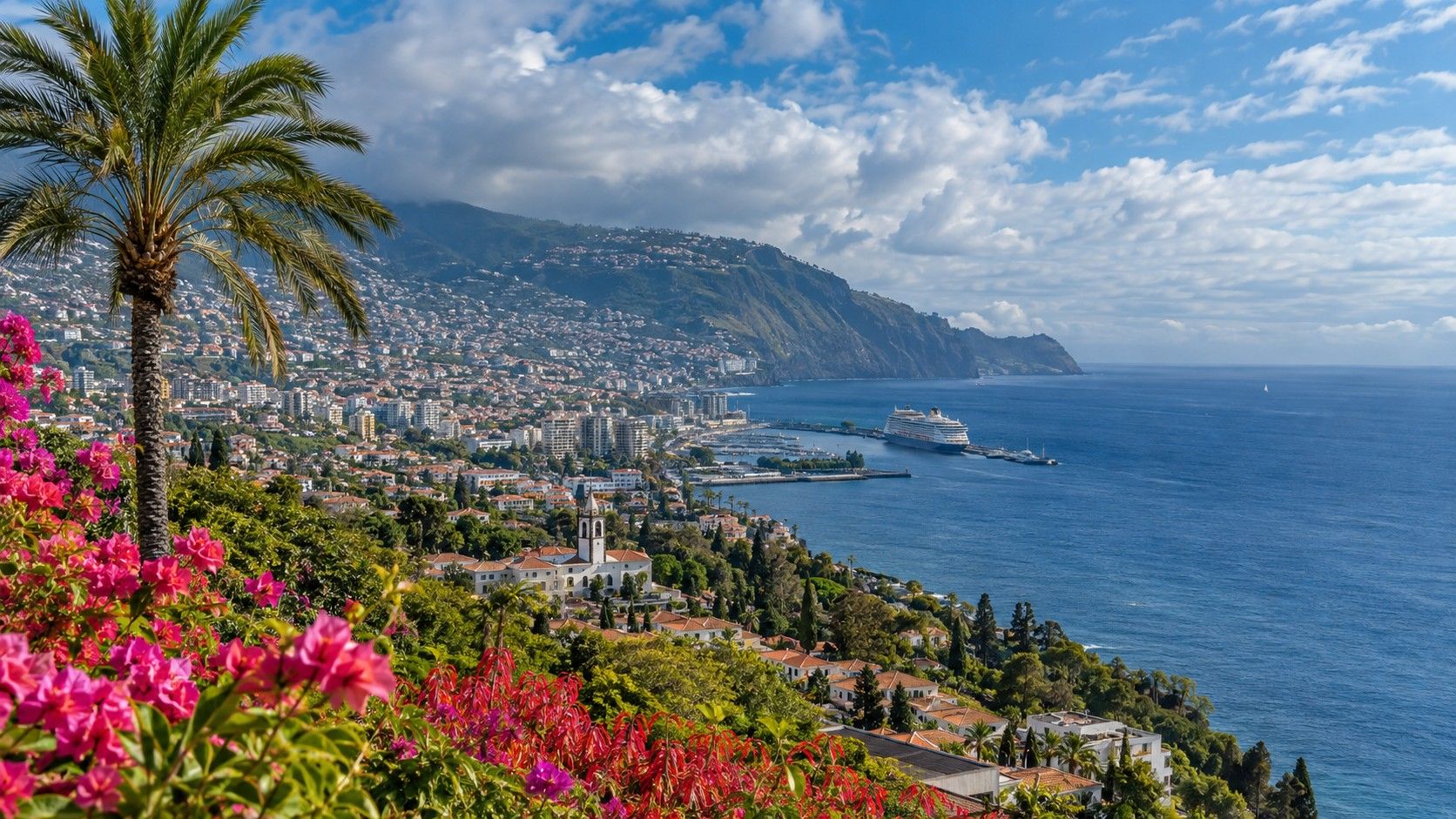
Funchal is the least romantic answer and usually the most functional base for a first visit. It has restaurants open beyond early evening, supermarkets, parking options, and a straightforward run to the expressway. Staying on its western side or around Câmara de Lobos can make the south coast easier without giving up those conveniences. For a four- or five-night Madeira travel plan, one base here keeps luggage out of the daily equation.
Ponta do Sol suits travelers who want a quieter evening and expect to spend several days on the south or west. It can feel warmer and brighter than the north, but it does not magically shorten every journey: getting to Santana or the Ribeiro Frio area still means a substantial crossing. Check your apartment access before booking. Some attractive-looking properties sit at the end of steep lanes where reversing after dark becomes an unwanted evening activity.
A second base makes sense on a week-long trip when you genuinely want north-coast mornings, early starts for trails near Queimadas, or a different rhythm around Santana. Move once, not every two nights. Packing, checking in, finding parking, and locating a new breakfast place consume more of the island than a route planner admits. I would not split a five-night visit unless the first accommodation makes a particular area hard to reach.
| Trip shape | Base choice | What it protects | Trade-off |
|---|---|---|---|
| 3-4 nights | One base in Funchal or nearby | Evenings, groceries and simple daily starts | Longer drive for the far north-west |
| 5-6 nights | One south-coast base, with a weather buffer | Freedom to move a mountain day | One ambitious west or east day remains long |
| 7+ nights | Funchal plus Santana or the north coast | Early trail access and less backtracking | One hotel move and more parking checks |
Put Madeira Airport on the map before you book the first night
Madeira Airport is east of Funchal, and that matters when a flight arrives late or leaves before breakfast. An afternoon arrival can turn into a calm transfer, a supermarket stop, and dinner in Funchal. A delayed evening arrival is different: rental-car desks may have queues, the final stretch into town is dark, and a remote north-coast address is a poor first test of your confidence on mountain roads.
If the first night is near Machico or Santa Cruz, you gain an easy landing and a short drive from the terminal. That can be worthwhile after a late flight, although it creates a move the next day. Otherwise, book Funchal for the first night and accept that the airport transfer is part of the day. I prefer this to arriving exhausted at a rural lodge, missing a turn, and trying to read a tiny gate number in rain.
Departure day deserves the same restraint. Allow time to return the car, refill it if your agreement requires it, and deal with the airport's changing traffic flow. A dawn departure does not pair well with a final dinner in Porto Moniz. Keep the final night within a predictable drive, and let the last afternoon be light enough that a cloudburst or slow restaurant service does not create a sprint.
Build each outdoor day with a lower-altitude replacement
Madeira weather is a planning problem, not a minor packing detail. At Pico do Arieiro, cloud can erase the ridgeline while Funchal remains dry enough for a walk through the old town. The reverse also happens: a fine mountain forecast can make a levada walk far more appealing than the coast. Check conditions close to departure, then check again in the morning; a forecast for the island is too broad to settle a route.
For every high or exposed plan, keep one alternative at a lower elevation and on another side of the island. If the PR1 route near Pico do Arieiro is obscured or restricted, a Funchal market morning, Câmara de Lobos lunch, or a short south-coast drive can rescue the day. If the south is hazy and hot, the forest around Ribeiro Frio may be a better use of the car. Trail status matters as much as rain: closures and access rules should be checked from official local information before you leave the accommodation.
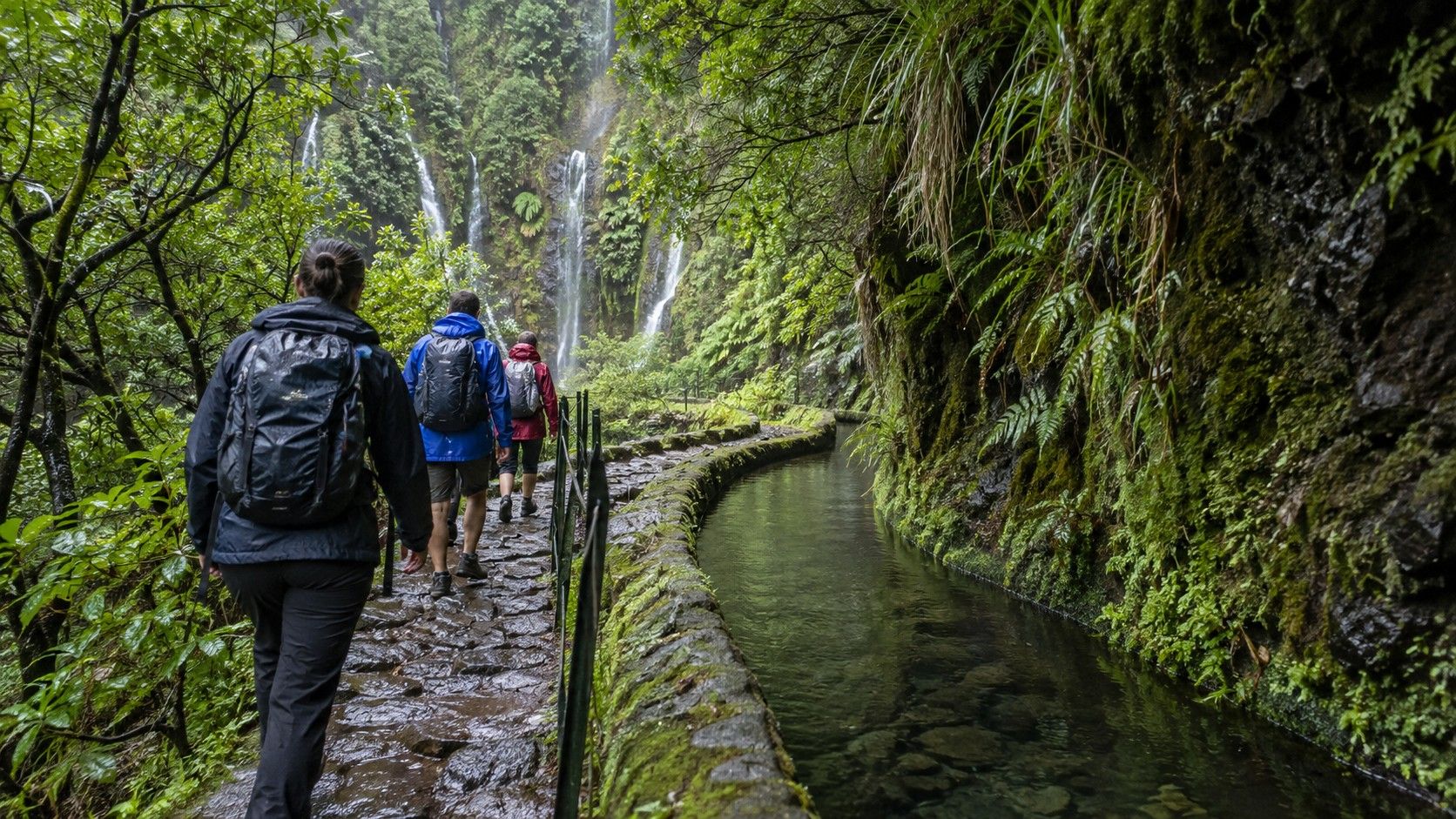
Levada walks need their own caution. Tunnels, slick stone, narrow edges, and wet foliage are ordinary features rather than dramatic surprises. Bring a light, a layer, water, and footwear that does not turn polished steps into a negotiation. I would skip an exposed route when wind is strong or visibility is poor; there is no prize for reaching a viewpoint that has disappeared into a white wall.
Make the driving day smaller than the route app suggests
The most useful Madeira itinerary rule is to count stops, not kilometres. The VE expressway can feel quick, yet the last ten kilometres toward a trailhead, miradouro, or north-coast village often run on curves, gradients, and narrow local roads. Add a parking search, a short descent to a viewpoint, and a coffee stop, and the tidy two-hour estimate becomes a different day.
For a west-coast drive, choose one spine: either Fanal and Porto Moniz, or the south-west through Calheta and Ponta do Pargo. Trying to add Seixal, Ribeira da Janela, every cliff platform, and an afternoon swim usually leaves the driver watching the road while everyone else watches the landscape. Porto Moniz pools are a reasonable destination, but sea conditions and wind can make the visit more about a short look than a long soak.
The eastern side has the same trap. Santana, the old road around Faial, Ribeiro Frio, and a sunrise at Pico do Arieiro are individually plausible; placing them in one rigid day removes any allowance for mist, parking, or a trail taking longer than expected. I like to set a turning point in advance. If we have not reached it by a chosen hour, the next stop is dropped without debate. That small rule keeps dinner from becoming an afterthought at 10pm.
Give Funchal and the coast their own slow day
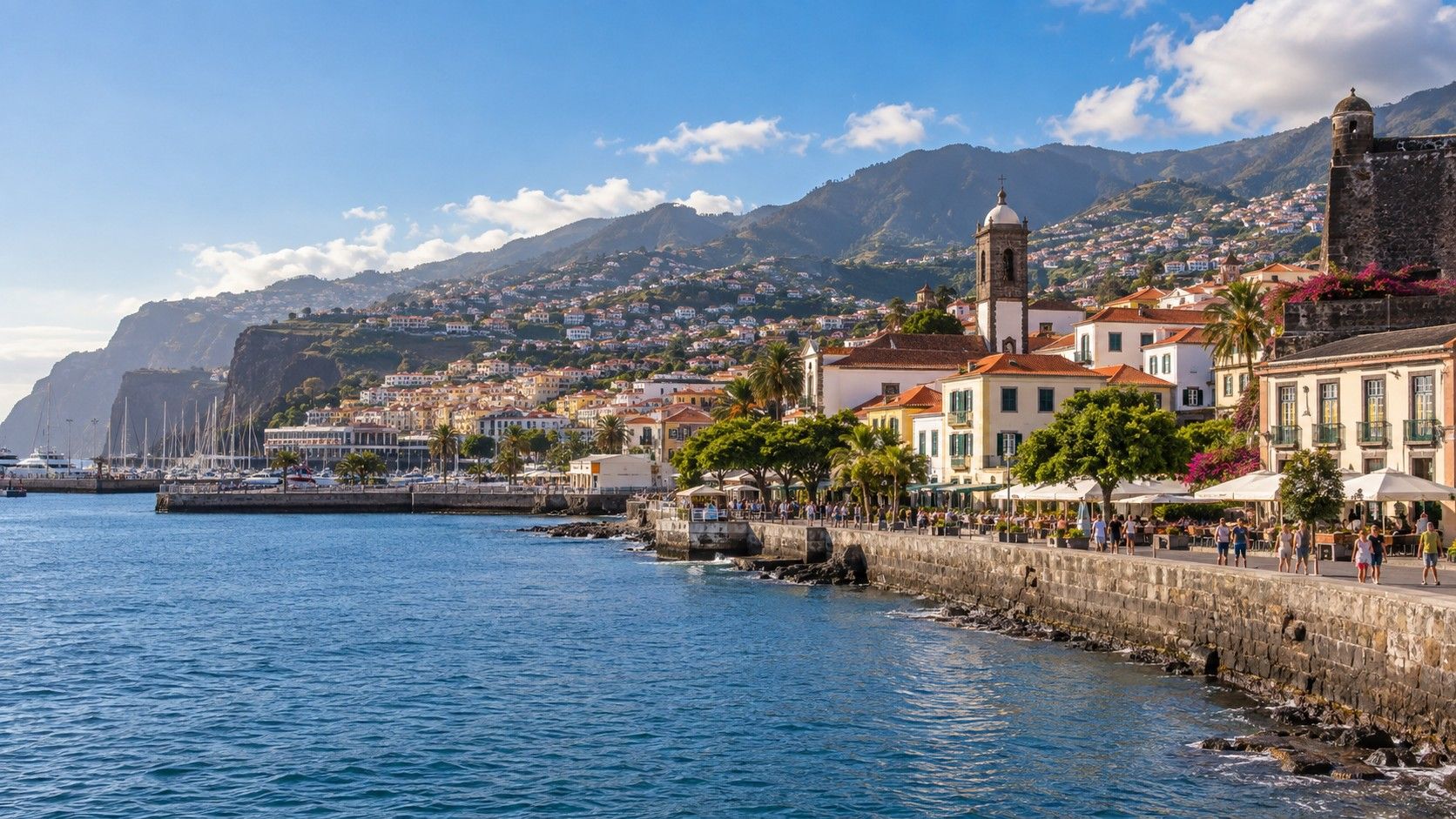
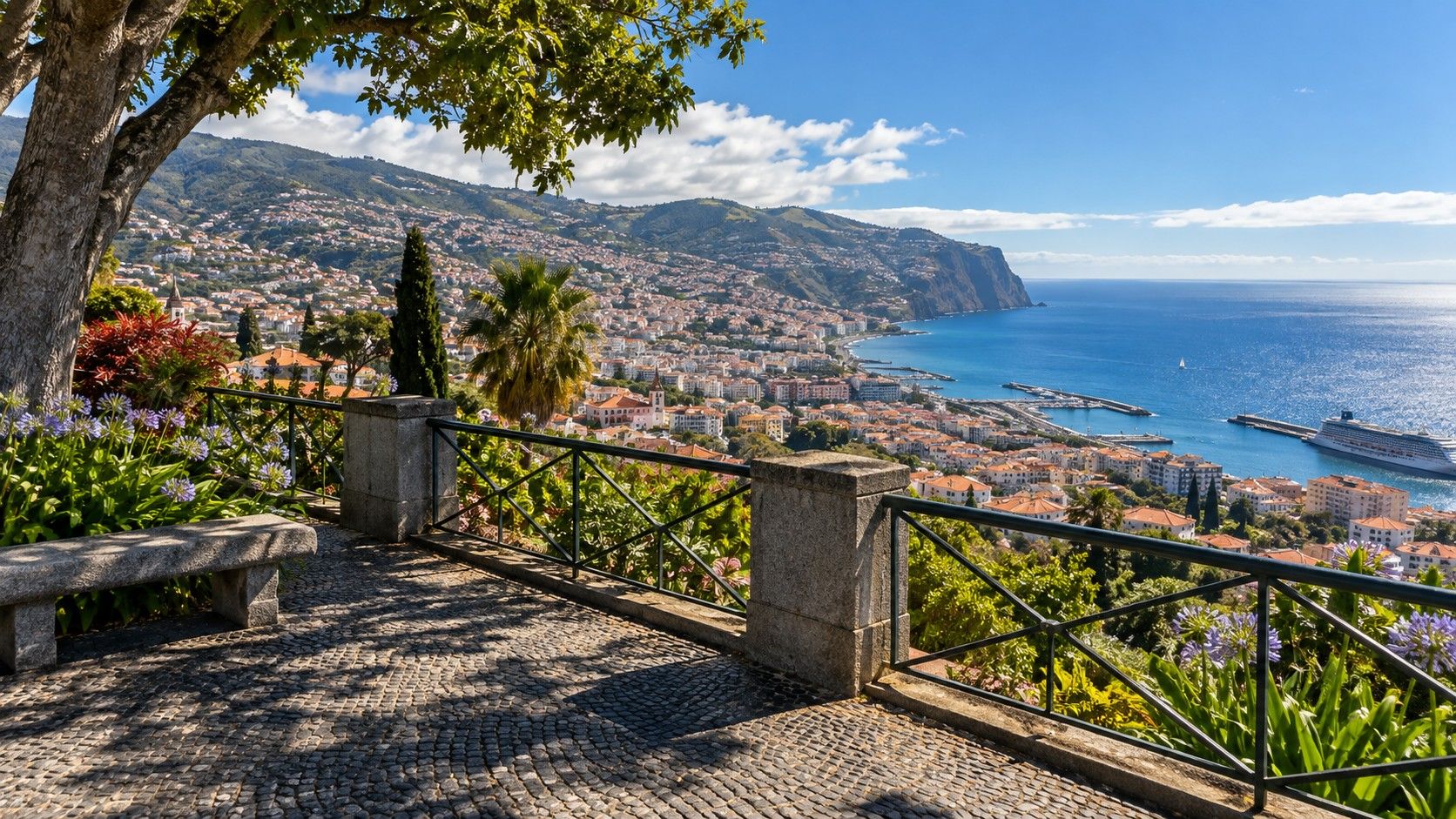
Funchal works better when it is not squeezed between airport luggage and a mountain drive. Start in the older streets, then decide whether the cable car, botanical gardens, or a simple walk along the harbour fits the weather and your energy. The city is also where practical Madeira travel tasks are easiest: buy supplies, replace a forgotten charging cable, collect a jacket, or choose a restaurant without planning a return route over a pass.
Use a south-coast day as a pressure valve. Ponta do Sol can be a lunch stop rather than a full-day mission; the value is sitting still long enough to notice whether the afternoon is clearing. Câmara de Lobos is close enough to Funchal to combine with a low-stakes viewpoint or a late meal. Neither needs an elaborate timetable, which is why they are useful after a demanding walk or before an early flight.
A finished route should have one day that can become shorter without feeling wasted. That is the day to spend in Funchal, along the south coast, or near your base. Madeira trip planning becomes less brittle when one afternoon is intentionally unclaimed. On an island where the road, cloud, and legs all get a vote, that empty space is what makes the rest of the plan hold together.