Two days in Funchal is enough to get the city under your skin, provided you resist the urge to turn it into a checklist. The centre is walkable, but Monte sits above it on a steep slope and the weather can change the logic of a day. I would give the first day to the streets, market and harbour, then use the second for the cable car and gardens if the hillside is clear. That leaves room for coffee, a long lunch and the small delays that make a Funchal itinerary feel lived rather than administered.
Start day one in the old town before the pavements fill up
Begin around Rua de Santa Maria and the lanes behind it. In the early morning, delivery vans still have the right of way, restaurant staff are setting out chairs, and the painted doors are easier to notice without a group stopping in front of each one. The old town is compact enough to explore without a route app. Walk uphill when a side street interests you, then drift back down towards the sea when your legs remind you that Funchal was built on a slope.
It helps to set one modest aim for this first walk: get a sense of distances. The cable-car station, Mercado dos Lavradores and the marina look close on a map, and they are, but repeated climbs between them can wear down someone arriving after a late flight. Comfortable shoes matter more here than a carefully chosen outfit. The polished basalt can be slick after rain, and narrow paving stones are hard work in thin sandals.
There is no need to spend the whole morning in the historic lanes. Igreja do Colégio and the Sé area make a useful change of texture if you want quieter streets and older stonework. I would skip any attraction that already has a long queue unless it is a genuine priority. A two-day city stay has no spare time for standing in line out of principle.
See Mercado dos Lavradores with your eyes open
Mercado dos Lavradores is worth visiting, although it is better treated as a busy city market with a tourist-facing front than as a secret local ritual. Go in the morning, especially if you want to see the fish hall working. The black scabbardfish is a memorable sight: long, dark and faintly prehistoric, rather than a graceful display for photographs. Fish stalls have their own rhythm, and this is the part of the building that feels least staged.
The fruit displays upstairs are colourful and sellers may offer samples. Taste if you are curious, but ask the price and whether it is per kilo before choosing a large bag. That small conversation prevents the familiar holiday irritation of paying a surprising amount for fruit you did not need. I prefer buying one thing I can eat that day, then leaving the rest to the visual theatre.
Opening hours deserve a quick check before you build a morning around the market, particularly on weekends and public holidays. If it is shut or quieter than expected, the nearby streets still work: take coffee near the old town, walk towards the cable-car station, and move the market to another morning. Funchal is forgiving when a plan changes by an hour.
Use the waterfront for the middle of the day
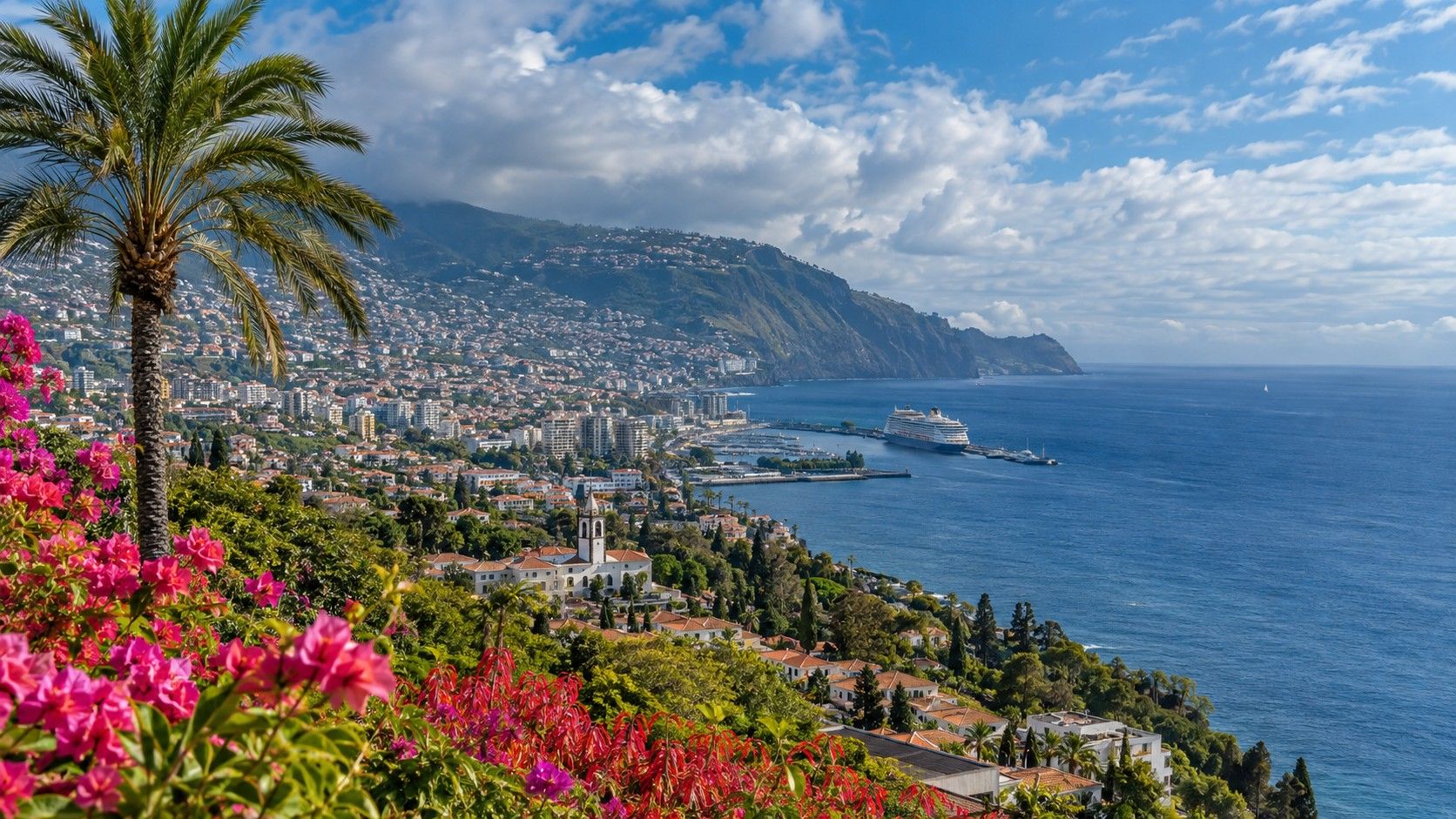
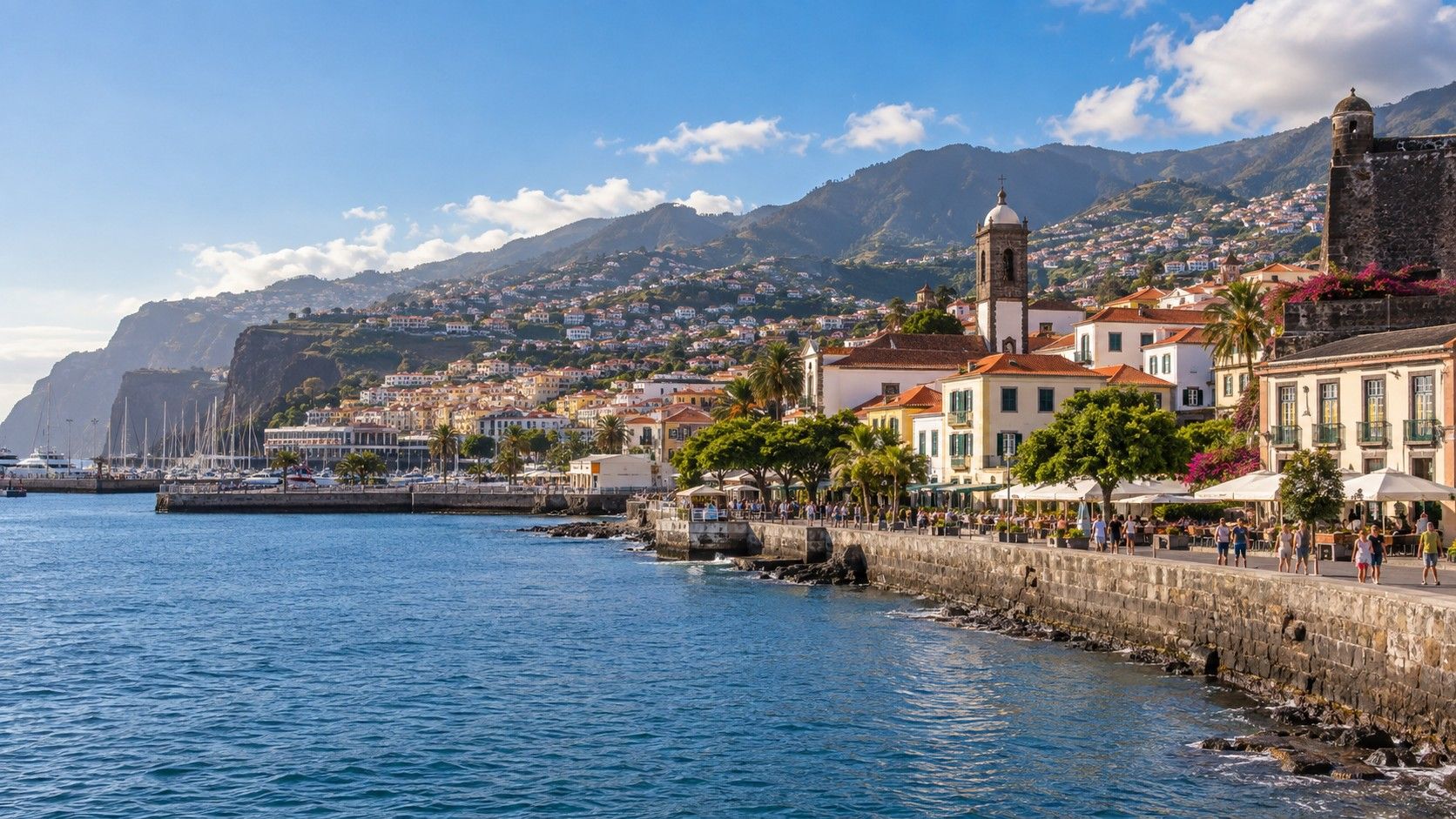
By late morning, move downhill to the marina and Avenida do Mar. This is the sensible place to slow the pace. The route from the old town to the harbour is flat, open and far less demanding than another loop through the hills. Look at the cruise ships if one is in, but do not let their presence decide your schedule; they can make the central lanes feel crowded for a few hours and then the atmosphere loosens again.
For lunch, choose based on where you want to be afterward. The restaurants nearest the waterfront are convenient when you plan to continue west along the promenade. The old town has more atmosphere in the evening, so I would not automatically use it twice in the same day. A relaxed lunch around the marina can buy you the energy for a longer afternoon walk instead of sending you back to the hotel at three.
From the harbour, walk toward the CR7 Museum area and the wider waterfront, or turn west in the direction of the Lido if you enjoy a proper promenade. You do not have to complete the whole stretch. The useful point is seeing how Funchal changes away from the historic core: apartment blocks, gardens, swimming complexes and people on ordinary errands. That contrast tells you more about the city than another souvenir shop does.
| Time | Day one | Day two |
|---|---|---|
| Morning | Old Town and Mercado dos Lavradores | Cable car to Monte if the hillside is clear |
| Midday | Marina, harbour walk and lunch | Monte Palace or a slower garden visit |
| Afternoon | Waterfront promenade or hotel pause | Walk down part way, return by cable car or taxi |
| Evening | Old Town dinner and a short wander | Choose a favourite area rather than chasing one more sight |
Plan Monte as a weather decision, not a fixed appointment
Monte is the part of Funchal that makes a second day worthwhile. The cable car rises from the old town to a cooler, greener neighbourhood above the city, and the view on a clear morning gives the harbour and coastline their proper shape. But it is an elevated stop. If low cloud is hanging over the slope, the journey can still be pleasant, yet the wide view that justifies the ticket may never appear.
Check the sky before breakfast and keep the order flexible. A bright waterfront does not guarantee visibility in Monte, but a clear upper slope is a good reason to go early. The cable-car station is easiest to reach on foot from the old town. Buy the return ticket only if you know you want it; walking down is steep, and the descent takes longer than people expect once they start stopping for views or hunting for shade.
Monte Palace Madeira is the garden most visitors choose, and it can occupy a full morning without feeling rushed. There are paths, water features, tiled panels and enough changes of level to make it more tiring than the word garden suggests. Bring water, use the toilets when you see them, and avoid trying to photograph every corner. The better moments are often the quieter ones: a bench, a view through planting, a pause when the city sounds far away.
Choose the basket sled only if it fits your sense of fun
The Monte toboggan ride is Funchal at its most theatrical: wicker sleds, white-clad drivers and a downhill run through streets that were not designed for a modern traffic scheme. It is famous for a reason, and some people come away delighted. Others find the price hard to justify for a short ride that ends well short of the centre. Neither reaction is wrong.
I would decide at Monte rather than pre-committing. Look at the queue, ask where the ride finishes, and work out how you will get back afterward. The finish point is downhill but not beside the marina, so a taxi or a further walk may be involved. That detail is easy to overlook when the sleds are passing and everyone is filming.
If the ride does not appeal, return by cable car, take a taxi, or walk down a section of the hillside at an easy pace. The third option suits people who enjoy steep streets and have time; it does not suit a sore knee or a humid afternoon. There is no prize for taking the most historic form of transport when a simple ride back lets you enjoy the rest of the day.
Keep the old town for after dark, but eat a little away from the loudest lane
Rua de Santa Maria changes after sunset. Tables fill, menus multiply and the street can become loud enough that the painted doors are largely hidden behind diners. It is still worth walking through, especially on a first visit, but I would not assume the busiest terrace gives the best evening. Take one pass down the street, then look on a side lane or nearer the edge of the old town if you want to hear the person across the table.
Book dinner if you have a particular restaurant in mind, especially in summer or when several cruise ships are in port. Otherwise, eat early, around the time many local places are settling into service, and leave the later hours for a drink or a slow walk back to your accommodation. Funchal feels safer and easier to navigate than many visitor cities, but the same common sense applies: keep an eye on bags in crowded areas and do not wear yourself out on the uphill route home.
This is also a good moment for a small course correction. If the market disappointed you, find a bar with Madeira wine and forget about it. If Monte was cloudy, make the evening a proper waterfront walk instead of trying to squeeze in another museum. A city plan should absorb a dud stop without punishing the rest of the trip.
When two full days are enough, and when to stay longer
For a first visit, two days cover the central things to do in Funchal: the old town, Mercado dos Lavradores, the harbour, Monte and an evening meal without rushing. It works particularly well at the start or end of a wider Madeira trip, when you need a reliable base before collecting a car or flying home. The city has enough texture for two days, but it does not demand an entire week unless you prefer very slow travel.
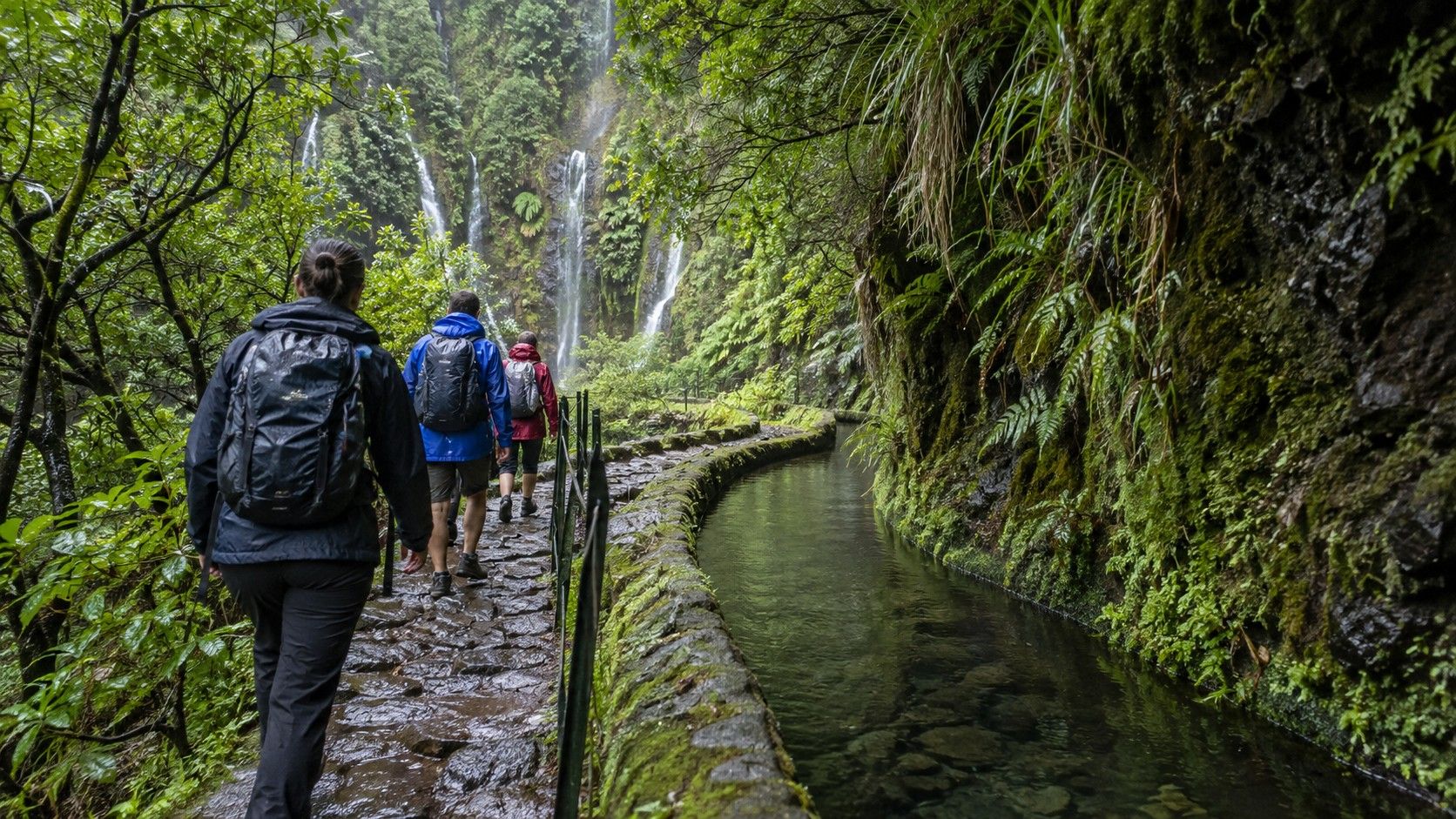
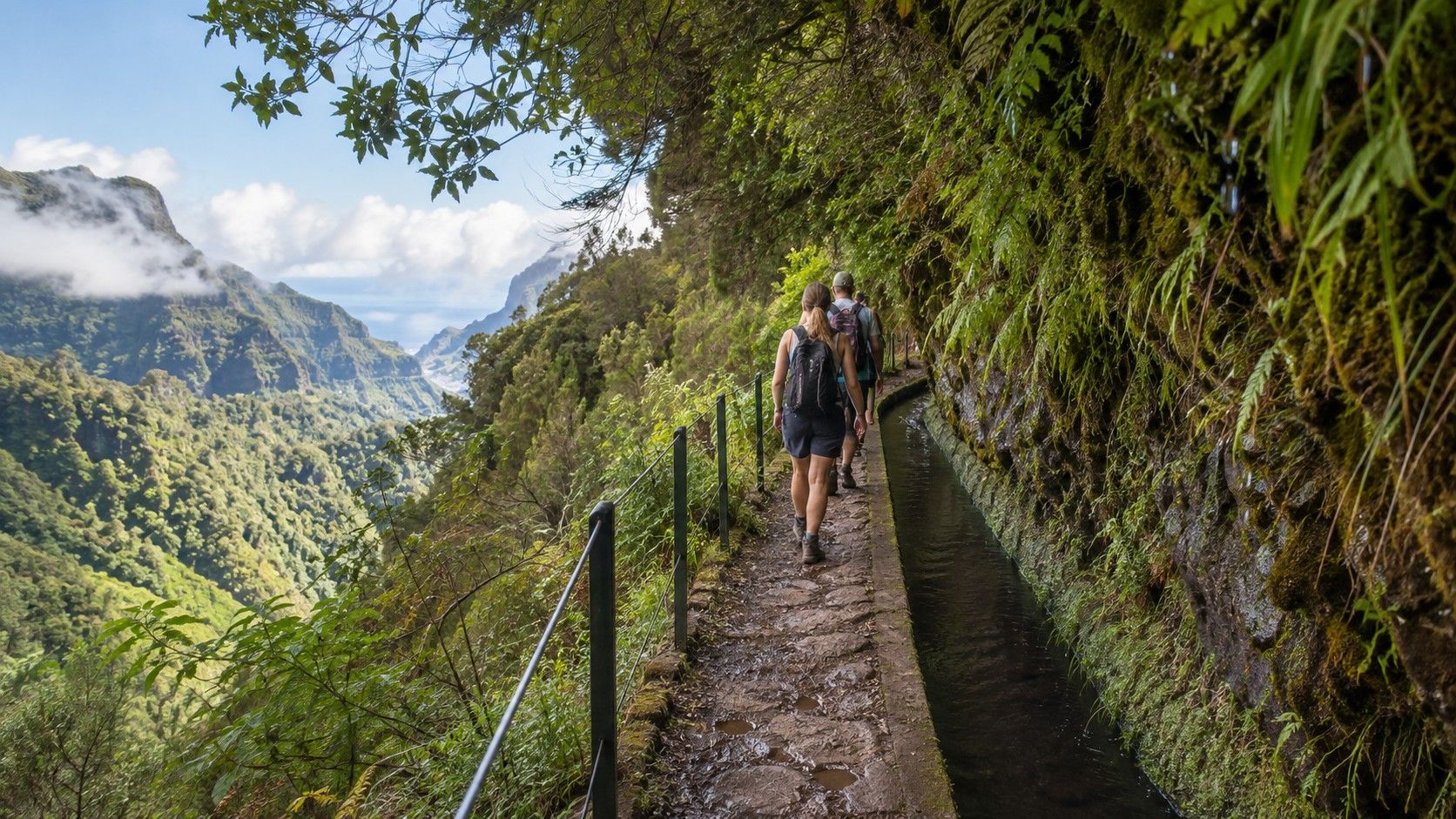
Add a third city day if museums, wine tastings, gardens or long swims are central to your holiday, or if rain disrupts the hillside. Otherwise, use the next day for Câmara de Lobos, a levada walk or the east coast. Funchal is a practical base for those outings, and its real advantage is that you can return to it when the mountains have turned moody.
The best Funchal in 2 days plan leaves a few loose edges. Start early once, go uphill once, and give yourself one unbooked afternoon. That is enough structure to see the city clearly, without confusing a short stay with a race through every pin on a map.