The best time to visit Madeira depends less on a neat temperature chart than on what you want to do when the cloud settles over the mountains. I would happily book April for gardens and walking, July for long dry days, or November for a quiet Funchal base. What I would not do is treat one sunny forecast for the capital as proof that Pico Ruivo or the north coast will cooperate. This is a small island with a large weather personality, and a sensible trip has a backup plan built in.
Start with your route, because Madeira does not have one weather forecast
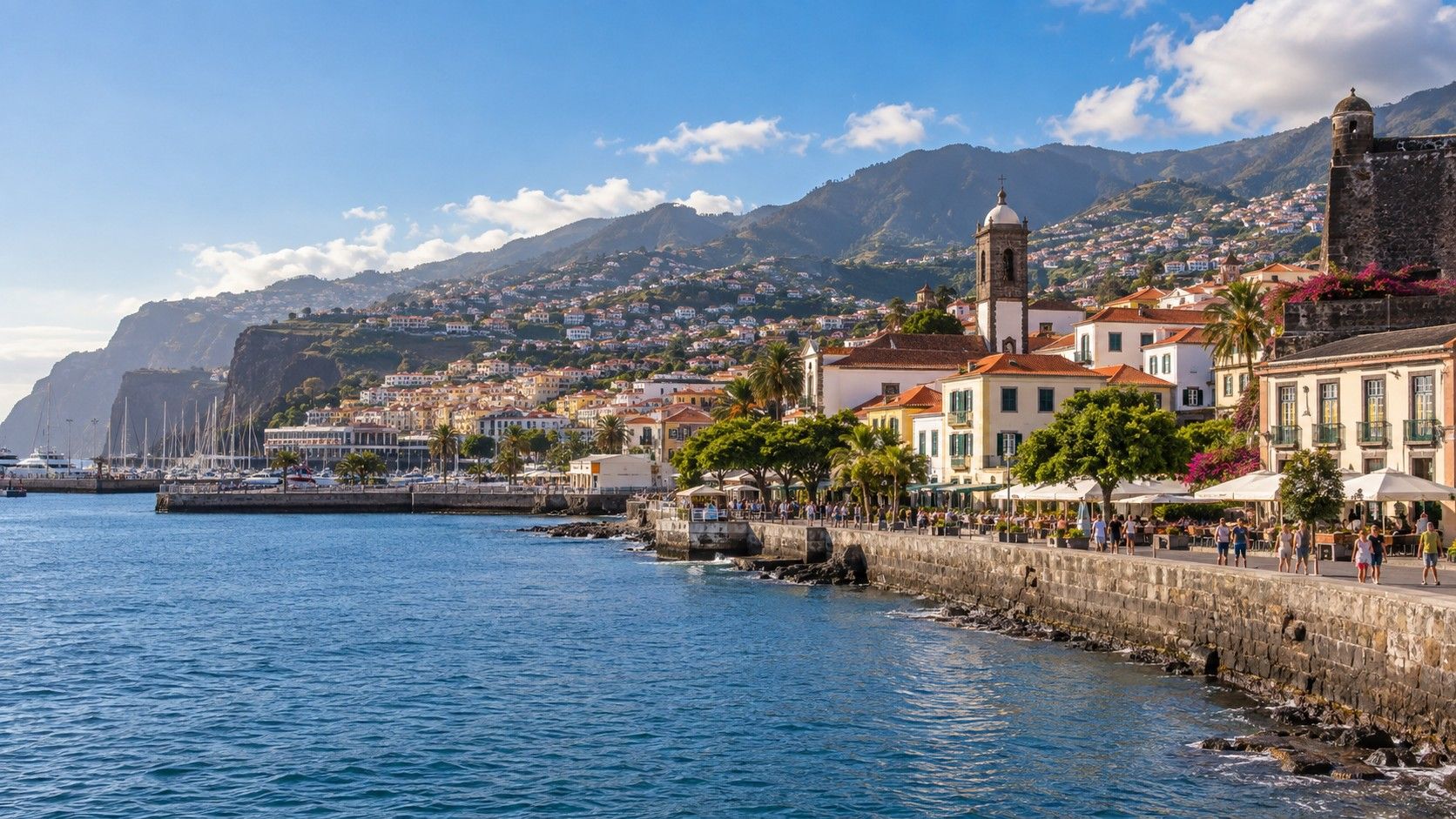
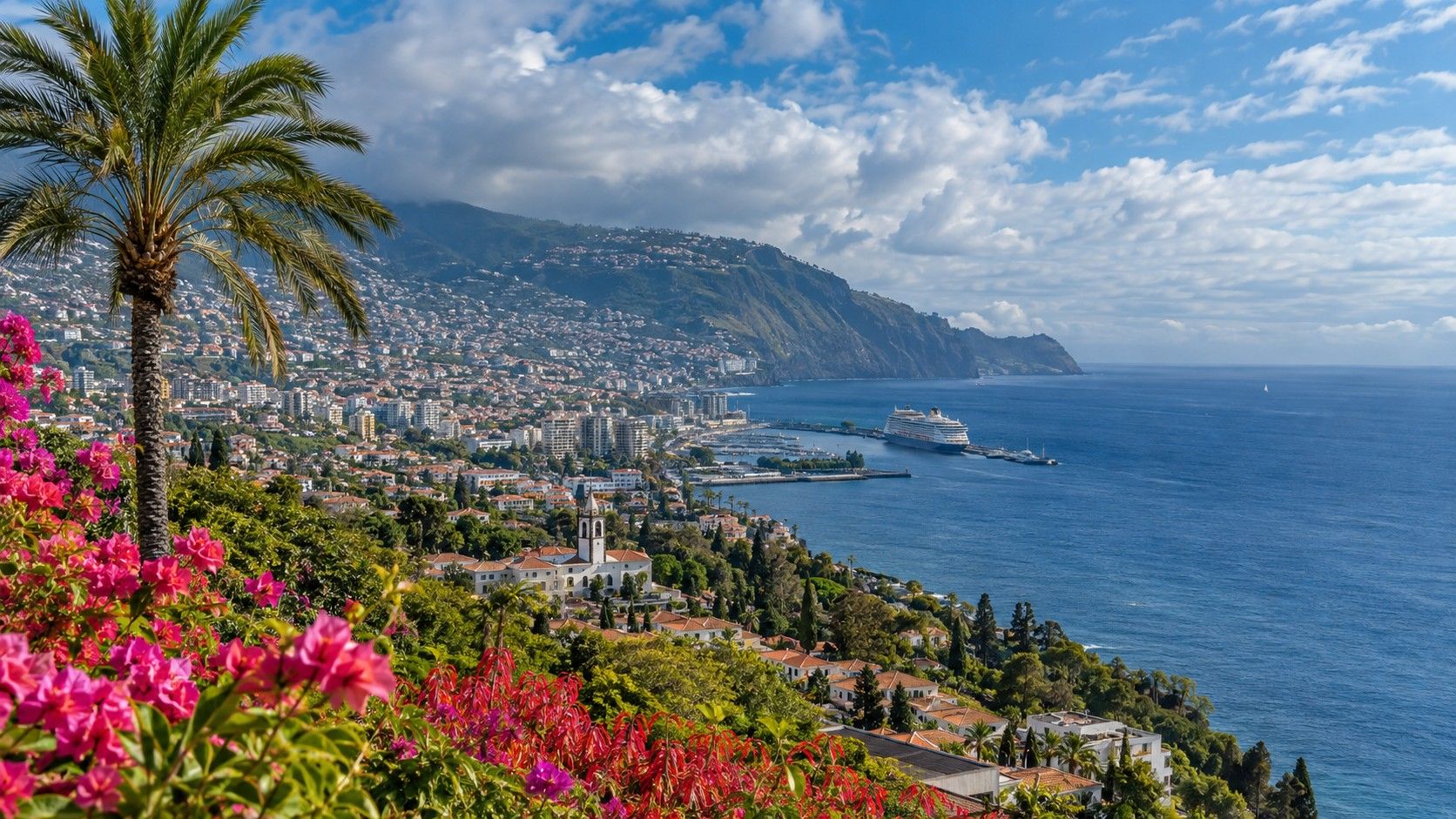
Funchal sits on the south coast and often feels warmer and calmer than the slopes above it. Drive west towards Ponta do Sol and you may keep that bright, dry feel. Take the same day north towards São Vicente, Seixal or Porto Moniz and the road can run into low cloud, wet bends and a noticeable drop in temperature. The Atlantic Ocean moderates the island through the year, but the mountains split conditions very quickly.
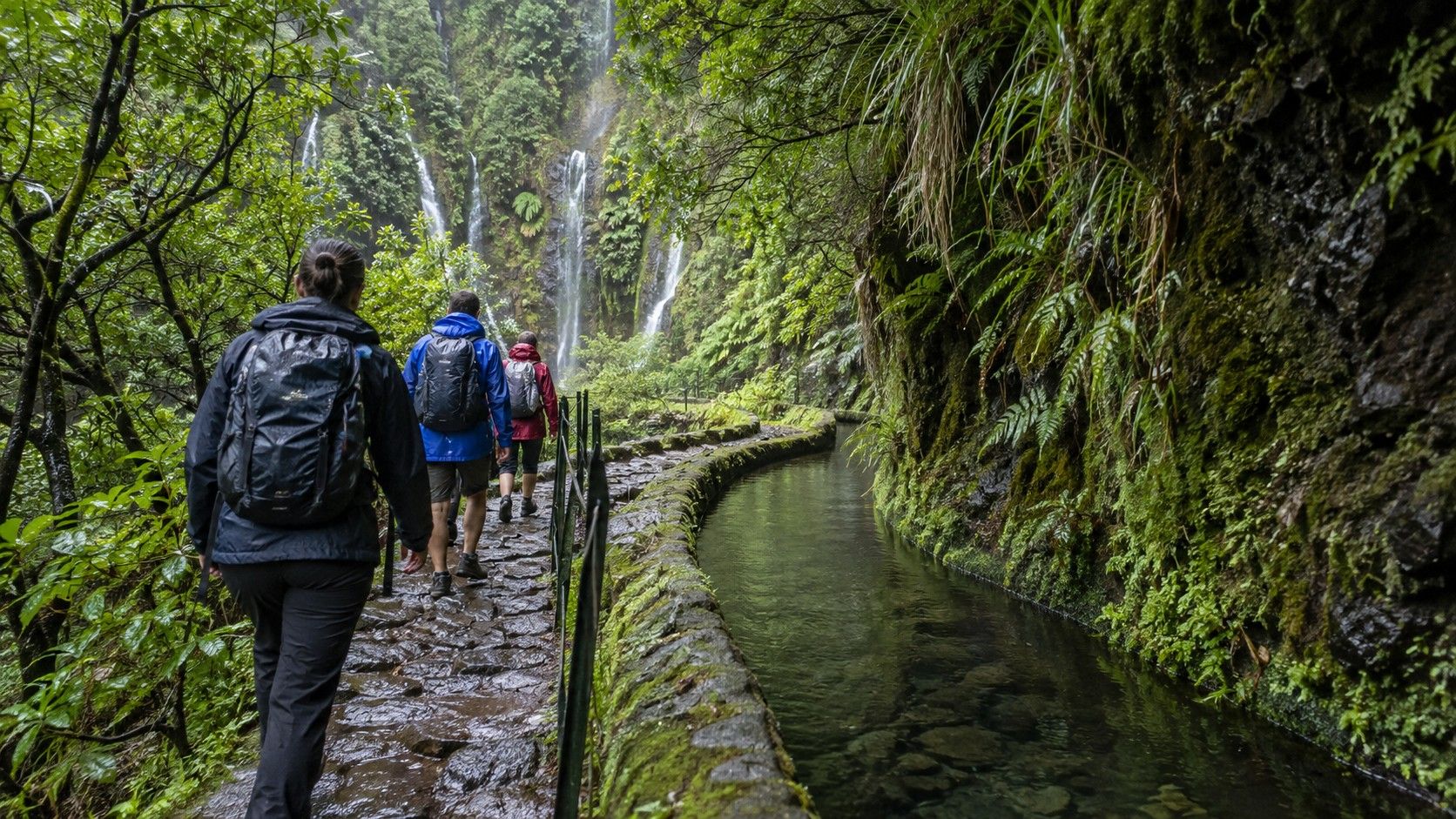
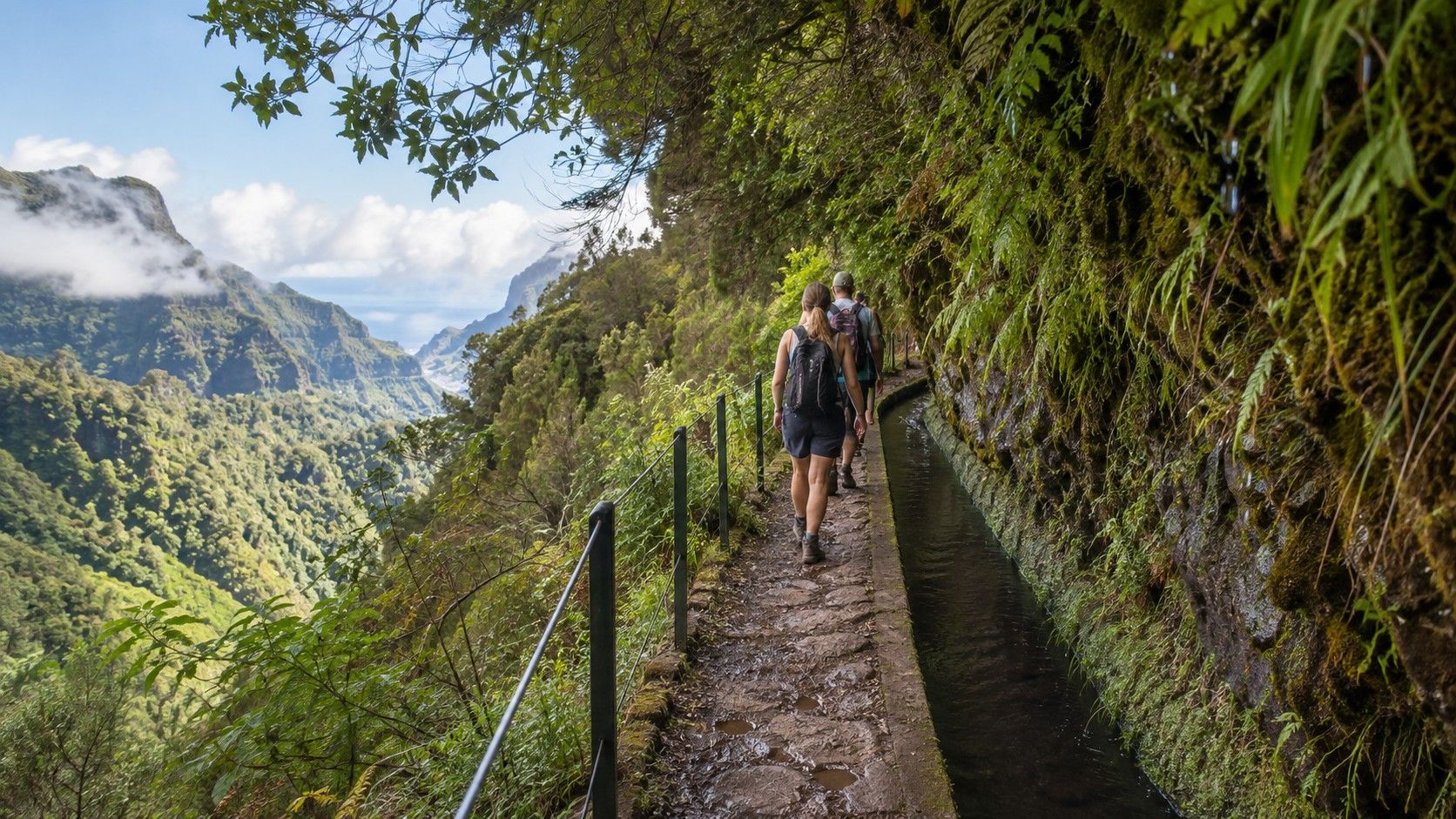
That matters most if your holiday revolves around levadas. A hotel terrace in Funchal can look perfectly benign while the PR1 route between Pico do Areeiro and Pico Ruivo has wind, visibility problems or a closure. Before committing to a long drive, check the specific trail status and the mountain forecast instead of relying on a generic Madeira widget. I also keep one coastal walk, museum, winery visit or Funchal afternoon available for the day that refuses to behave.
For city breaks and gentle sightseeing, the south coast works in every season. For photographers chasing a clean mountain sunrise or swimmers hoping for reliable sea time, the month matters more. A rental car makes bad weather much easier to dodge, though it does not turn a wet highland day into a beach day.
March to May: flowers, green hills and busy walking paths
Spring is the answer I give first to people asking when to visit Madeira for a varied week. The hills look properly green after winter rain, gardens are in good form and temperatures in Funchal are usually comfortable for walking without the sticky feeling of high summer. April and May suit visitors who want to mix the Monte Palace gardens, a levada route and an unhurried lunch outside. The flower season is real, although it is not a single switch that flips on across the island.
The compromise is rain. A shower may pass quickly on the south side and sit for hours in the interior. Bring a waterproof layer even if the morning is warm, plus shoes that will not become slippery on wet stone. Levada do Caldeirão Verde and the Rabaçal area can be particularly damp after rain, which is part of their appeal but not much fun in smooth-soled trainers.
Spring also brings more walkers. Easter dates can lift hotel prices and popular paths get busy by mid-morning. I prefer an early start from Funchal, then a late lunch after the groups have thinned. If the Madeira Flower Festival is part of the draw, book accommodation well ahead and expect the central streets to be lively rather than peaceful.
| Period | Best for | What to watch |
|---|---|---|
| March to May | Gardens, levadas, green scenery, city-and-walks trips | Showers in the interior; Easter and festival crowds |
| June to August | Long outdoor days, coastal drives, swimming | Higher prices; cloud and wind still possible at altitude |
| September to November | Warm sea, quieter roads, relaxed hiking | Rain becomes more likely later in autumn |
| December to February | Funchal, low-level walks, winter sun break | Shorter days, wet trails and fast-changing mountain weather |
June to August: the easiest months for long days outside
Summer is the straightforward choice for first-time visitors who have limited flexibility. Days are long, daylight starts early, and a week can comfortably hold Funchal, Câmara de Lobos, a west-coast drive and a couple of walks. The south coast is often dry enough for breakfast outside and an evening stroll along the promenade. Madeira rarely has the baking heat of mainland Portugal, which makes a full day on foot more realistic than it sounds.
Still, July is not a guarantee of blue sky everywhere. Pico do Areeiro can be cold and windy before sunrise, and afternoon cloud often arrives around the higher ridges. Pack a light insulated layer for a pre-dawn mountain trip, even after a hot afternoon by the pool. This is the mistake I see most often: people dress for Funchal, then spend two hours shivering above the clouds because they assumed altitude was a minor detail.
For swimming, summer gives you the broadest choice. Funchal has lidos, while Porto Moniz has volcanic pools that are most pleasant in settled weather. The open ocean remains the Atlantic, though. A rough sea can affect the pools and boat trips, so keep an eye on local notices rather than planning every day around a fixed water activity. Accommodation and car hire cost more in school-holiday weeks, especially in July and August.
September and October: warm water with a little more breathing room
If I wanted sea time but did not want the thickest summer crowds, I would choose September. The Atlantic has had all summer to warm up, daylight remains generous, and Funchal restaurants are less pressured than in August. September is also a good month for a road trip that includes Porto Moniz, Paul da Serra and a stop in Seixal, provided you are willing to change the order when cloud collects on the plateau.
October can be a sweet spot for walkers who dislike heat. Low-level routes remain pleasant and the island has a softer, less crowded rhythm once school holidays end. The risk calculation changes, however: rain becomes more plausible, and a wet trail can become risky around tunnels, drop-offs or exposed steps. Carry a small torch for levada tunnels, check official access information on the morning of your walk, and choose a shorter route if the forecast is unsettled.
Autumn rewards a flexible itinerary. Keep the east coast for a clearer morning, leave a Funchal cable-car or museum visit for rain, and avoid treating a pre-booked boat tour as the centre of the whole holiday. Cancelled ocean trips are frustrating, but forcing a poor sea day is worse.
November to February: choose Madeira for mild winter, not guaranteed sun
Winter works well for travellers escaping northern European cold, especially if the goal is a mild city break with a few good walks rather than a beach holiday. Funchal stays comfortable enough for cafés, gardens and waterfront promenades, and Christmas and New Year add a lot of activity. The New Year's Eve fireworks are a major event, so this is the moment to reserve a room early and accept that prices will reflect it.
Rain is more frequent in winter, particularly in the north and the central mountains. That does not mean every day is lost. One clear winter morning can be excellent for Ponta de São Lourenço or a lower coastal path, while a rainy afternoon suits Blandy's Wine Lodge, the Mercado dos Lavradores area or a long lunch in the old town. A wet week is possible, though, and anyone booking solely for sunbathing will have a better chance elsewhere.
Mountain routes need more caution at this time of year. Wind, cloud and rain can combine quickly around Pico Ruivo, and trail closures are more likely after storms. If your holiday would feel incomplete without a major summit walk, build in spare days. It is a far better bargain than trying to squeeze the walk into the only available morning.
How to check the forecast without overplanning the trip
I check Madeira in layers. First comes the forecast for Funchal, because that tells me what the day might feel like around the hotel. Then I look at the exact destination: Porto Moniz for a north-coast outing, Santana for the east, or Pico do Areeiro for a ridge walk. Wind speed, cloud base and rain timing matter more than the little weather icon. A sun icon at sea level says very little about an exposed route at 1,800 metres.
On walking days, verify the route's official status before leaving and do it again if the weather changes overnight. Trails close for rockfall, maintenance and storm damage; assuming an old blog map is current is a poor gamble. Download an offline map, carry water and a waterproof, and tell someone where you are going if the route is remote. The island is compact, but the road back from a blocked trail can take longer than expected.
For most people, May, June, September and early October offer the best balance of workable weather, outdoor time and manageable crowds. But Madeira rewards the traveller who chooses a month for a priority rather than chasing a perfect forecast. Pick spring for green walking country, summer for dependable long days, autumn for warmer water, or winter for Funchal at a slower pace. Then leave enough empty space in the itinerary to follow the clearer side of the island.