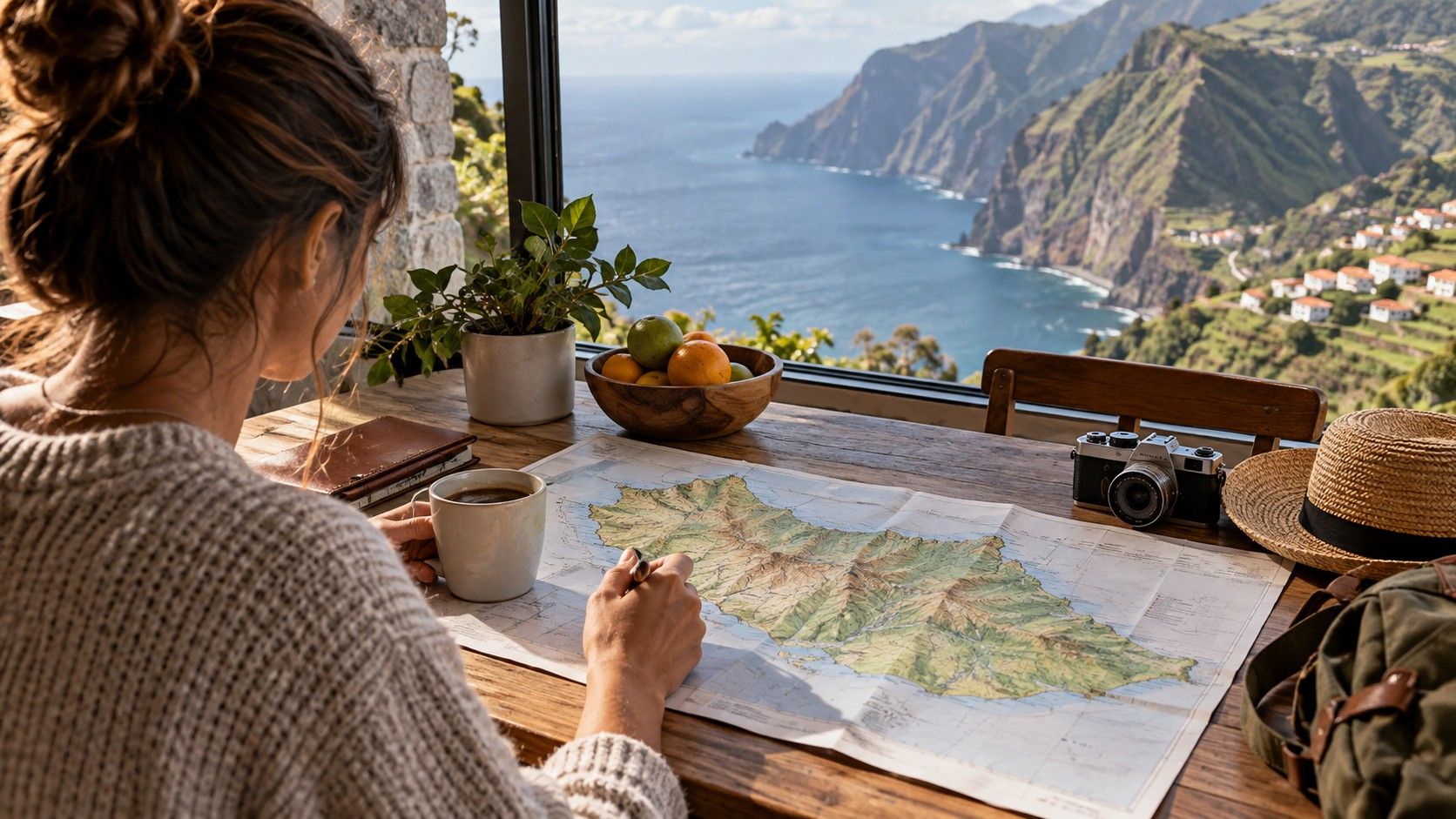
Madeira can look like a cheap island break until the hotel dates, rental-car quote and restaurant bills land on the same screen. It is not wildly expensive, but it is also not the bargain some mainland Portugal comparisons suggest. The island has limited space, a busy flight market and roads that make transport choices matter. For a realistic Madeira travel budget, start with the kind of week you actually want: a Funchal base with buses and meals out, or a road-trip week built around walks, viewpoints and a car. Prices move sharply with school holidays, Christmas and New Year, Easter, and the warmest summer weeks. A room that feels sensibly priced in February may be double the price in August. That does not mean a low-season trip is automatically better. Short winter days, rain on the mountains and wind can change the shape of a holiday. I would budget with a range, then leave a little room for the day when a weather change makes a taxi, a different hike or a better-located dinner feel worthwhile.
Start with the three costs that set the tone
For most visitors, flights, accommodation and getting around decide whether Madeira feels affordable. Flights vary too much by departure airport to turn into one honest number. A return ticket booked well ahead in a quieter month may be comfortably priced; the same route around a holiday can absorb a large share of the whole trip. Check both the fare and the practical cost of the flight time. A very late arrival can mean an airport transfer, a taxi, or a first hotel night chosen mainly because it is easy to reach.
Accommodation has a wide spread. A simple guesthouse room or apartment away from Funchal's centre can work for a modest budget, especially outside peak dates. A hotel with a sea view, breakfast, parking and a pool is a different proposition. In Funchal, compare the final price with any parking charge before declaring one option cheaper. A lower nightly rate on a steep hillside can become less attractive if you need a taxi after dinner or pay for a garage every night.
Transport is the fork in the road. Without a car, a couple staying in Funchal can use airport transfers, local buses, occasional taxis and a guided day trip. With a car, the daily rate is only the start: add fuel, insurance excess choices, parking and the occasional taxi needed for a one-way walk. Neither approach is automatically thrifty. The cheaper one is the one that matches the places you genuinely plan to visit.
| Style of week | Where the money goes | What keeps it under control |
|---|---|---|
| Funchal city break | Central accommodation, meals and transfers | Walk, use buses, and choose one paid outing |
| Walks with a rental car | Car, fuel, parking and trail transport | One base and fewer long driving days |
| Comfort-focused week | Sea-view hotel, restaurant meals and tours | Book the hotel early and avoid last-minute car hire |
Accommodation: location can cost more than the room
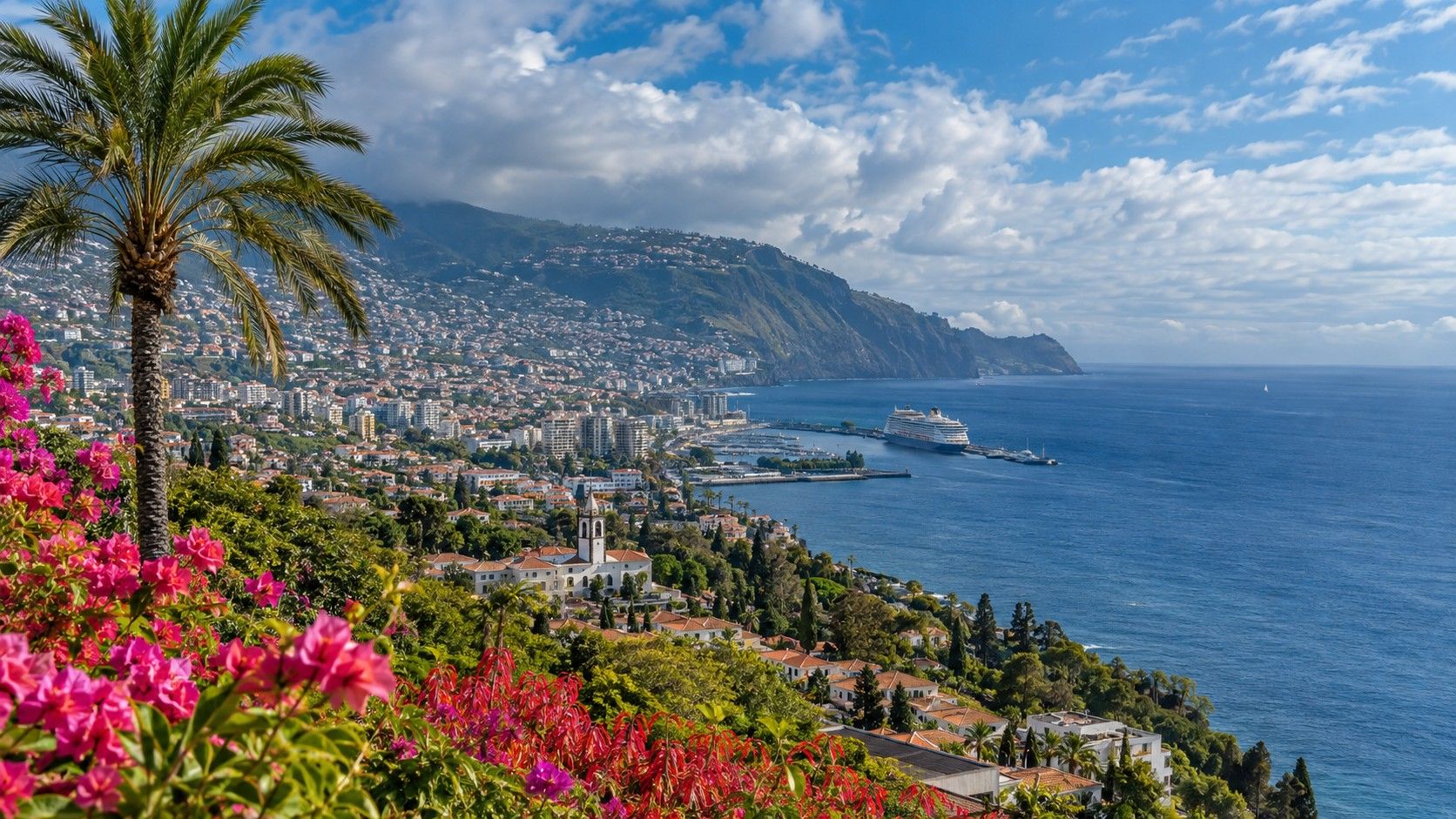
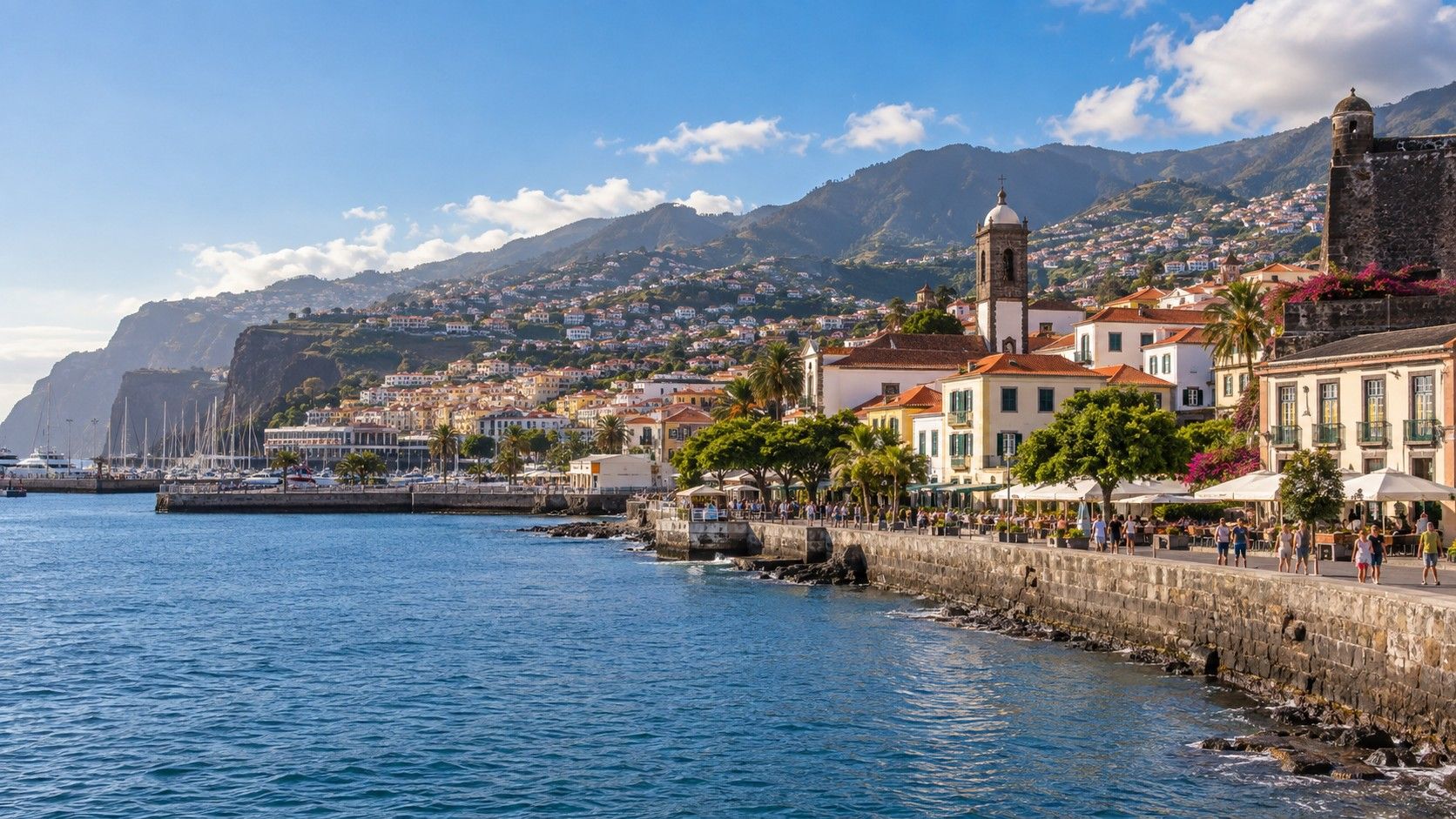
A week in Madeira gets easier to price once you decide whether convenience is part of the holiday. Funchal has the broadest choice of restaurants, supermarkets and places to stay. It also has higher demand and, in some areas, paid parking. The Lido side of town can be useful for a resort-style stay; the old town puts you close to evening life but may be noisier and less forgiving if you have a car. Read recent comments about access rather than relying on a map pin. A beautiful apartment above the city can involve a steep climb that changes how often you go out.
Ponta do Sol, Calheta and smaller south-coast towns can sometimes give better value per night, particularly in self-catering accommodation. They suit a slower trip or a car-based itinerary. The saving may vanish if you take taxis to dinner each evening or drive back and forth to Funchal. On the north coast, prices can look appealing and the atmosphere is quieter, but weather and road time are part of the trade. I would choose a rural base because it suits the trip, not simply because it won a price comparison.
Self-catering helps most at breakfast and lunch. A supermarket run for fruit, bread, cheese, coffee and trail snacks can make the daily spend feel far less slippery. It does not require eating pasta in the apartment every night. Madeira has plenty of casual places where a simple lunch or plate of grilled fish is more satisfying than trying to save every euro. The useful balance is an easy breakfast, a few picnic lunches, and meals out chosen because you want them.
Food and drink: cheap meals exist, but tourist areas add up
Food is one of the friendlier parts of a Madeira trip budget if you mix formats. A bakery breakfast, a coffee and a small pastry can be modest. A lunchtime prato do dia or sandwich away from the busiest waterfront tables can also be good value. Dinner in central Funchal, especially with starters, wine and dessert, naturally climbs. That is not a trap; it is simply a different kind of evening. Look at the menu before sitting down if you have a target daily spend, and remember that a view can be part of the price.
For two people, I would not build a plan that assumes every meal will be a supermarket meal or every dinner will be inexpensive. A realistic middle ground includes groceries, casual lunches and several proper restaurant evenings. Drinks make the largest difference after that. Water, coffee and a beer are easy to fit into most budgets. Cocktails, wine and repeated stops at hotel bars can quietly become the most variable line in the week. Decide in advance whether restaurant evenings are the point of the trip or an occasional treat.
Trail days need food too. Buying water and snacks near a popular starting point is rarely the best-value move, and some routes have no nearby shop at all. Pack before leaving your base. It costs less, and it prevents that familiar late-afternoon mood in which everyone is hungry, wet and willing to pay anything for the first cafe they find.
Car hire, buses and taxis: choose the version of Madeira you want
A rental car gives you freedom, although it can produce an oddly expensive week when it spends most of its time in a Funchal garage. It earns its cost when your plans include Rabaçal, the west coast, Santana, sunrise starts, or accommodation beyond the bus network. Book early for busy dates, especially if you want an automatic. Compare the excess and cover terms rather than looking only at the headline daily rate. The cheapest quote can feel less cheap when the desk offers a much higher deposit than you expected.
Fuel is not the only car expense. Confirm whether your accommodation includes parking, and assume that central parking or popular trailheads may involve either a fee or a longer walk from the available space. Madeira's distances are short but the roads are slow in places, so do not hire a car solely to tick every corner of the island. Fewer driving days mean less fuel, fewer rushed lunches and fewer occasions to pay for parking because you arrived after the free spaces disappeared.
Visitors who stay in Funchal can keep costs steadier with airport transfers, city buses and one or two organised day trips. Tours are not always the cheap option, yet they replace several moving parts at once: fuel, parking, driving fatigue and the risk of a bad mountain-weather decision. Taxis are useful for short hops, late returns and one-way hikes, but treat a cross-island taxi as a special expense. Ask for the fare before setting off when there is no meter or clear booking estimate.
Walks, viewpoints and paid activities
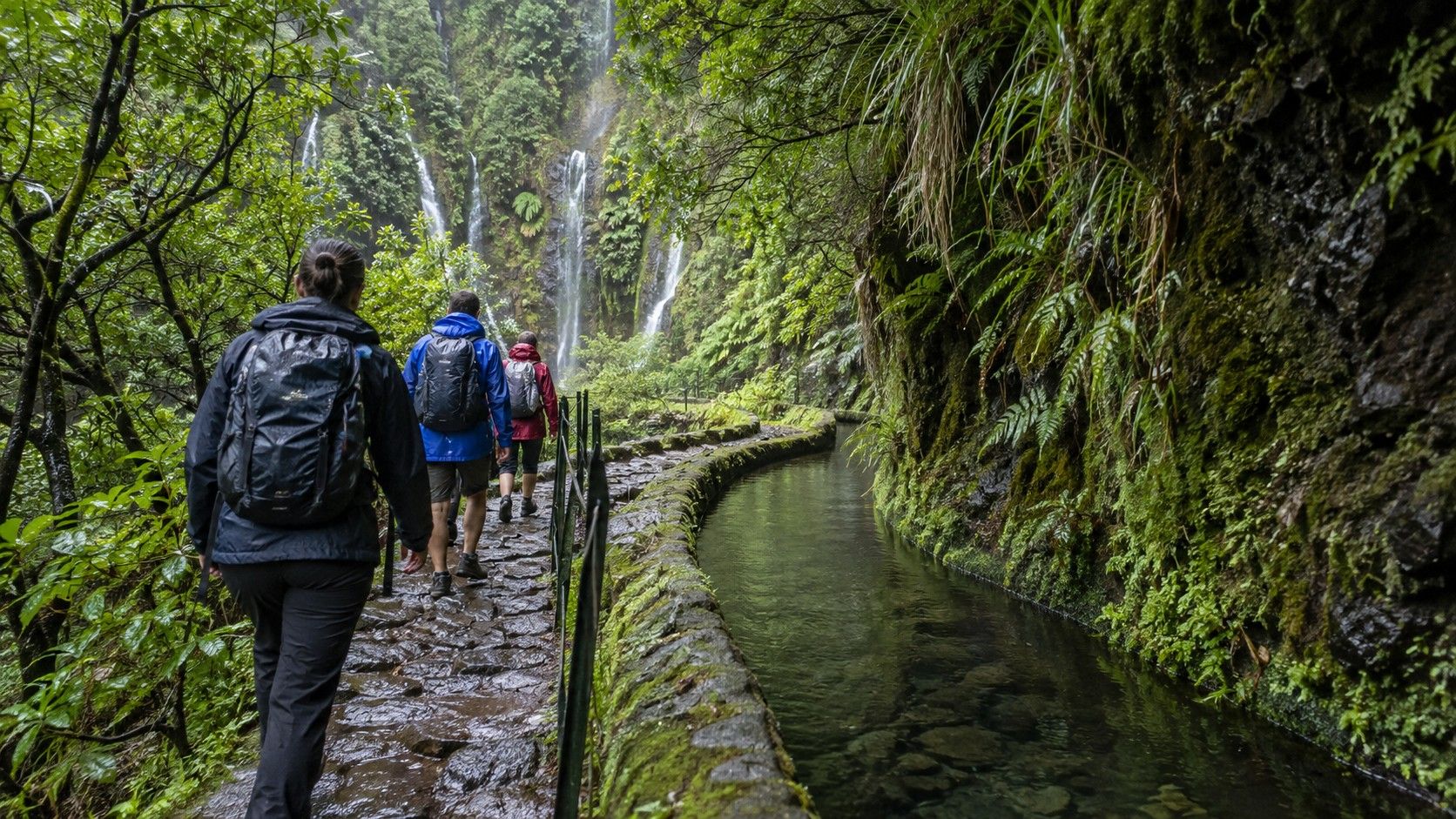
One reason Madeira works for many budgets is that its best days often involve walking, swimming or looking at the coast rather than buying an attraction ticket. That still does not make every outdoor day free. Official access rules, trail reservations or fees can change, and popular paths may have parking costs or transport requirements. Check the current trail information before travel, particularly after bad weather. A closed route is disappointing; turning up with no alternative can also become an unplanned spending day.
Build a small activity fund even if you are mainly there for hikes. The Funchal cable car, gardens, museums, a whale-watching trip, canyoning or a guided levada walk can be the right choice on the right day. You do not need all of them. I would choose one or two experiences that fit your interests and leave the rest of the week open. The island rewards unstructured time: a natural pool, a short coastal walk, a market morning or a long lunch can be the memorable part that costs very little.
Weather is the financial wildcard. A wet or foggy day may make a planned mountain walk poor value if you keep pushing through it just because you already drove there. Keep a lower-altitude backup around Funchal or the south coast. It is easier to change course when the backup does not require another long car journey or an expensive last-minute tour.
Three usable budget shapes for a seven-night stay
For a careful couple, the lower-cost version usually means a simple apartment or guesthouse, supermarket breakfasts, casual lunches, limited alcohol, airport transfer or bus use, and outdoor days that do not require a paid activity. It can still include a few meals out. The important restriction is not comfort; it is geography. Staying in Funchal or another walkable town avoids paying repeatedly to solve the distance between the bed, dinner and transport.
A mid-range week is where many first visits land: a comfortable hotel or well-located apartment, a rental car for several or all days, a mix of groceries and restaurants, and one or two paid outings. This version benefits from early booking more than penny-pinching on the island. A sensible hotel and car booked months ahead often beat a late search for a bargain that is far from everything you want to do.
A higher-spend week can include a sea-view hotel, automatic car, restaurant dinners, guided activities and flexible taxis. There is nothing wrong with that choice, but it is worth naming it honestly. Madeira is easy to romanticise into a spontaneous escape, while the practical details still have prices. Once you decide where you want ease and where you do not mind economising, the total becomes much less surprising.
Small costs that deserve a line in the plan
Travel insurance, checked luggage, airport snacks, roaming data, sun protection, a rain layer bought after arrival and parking tickets are all small until they arrive together. Hikers should also allow for water, a torch for suitable tunnel walks, and decent footwear before the trip rather than emergency purchases in a resort shop. If you plan to cook, check whether the accommodation has the basics you expect. A kitchen listed in a booking can still be short on a sharp knife, oil or a coffee maker.
Give yourself a contingency amount rather than chasing a perfect spreadsheet. On Madeira, that money may cover a taxi when a walk ends somewhere different from planned, a better dinner after rain, or an extra night near the airport after a disruptive flight change. It may go unused, which is fine. A budget that has no room for ordinary travel friction tends to fail at the first cloudbank.
The best Madeira travel budget is therefore less about finding one magical daily number and more about choosing a rhythm. Book flights and a well-placed bed early, decide whether a car will be used enough to justify its full cost, and leave room for food and a few experiences you will actually enjoy. Madeira can be done carefully, but it feels much better when the plan has enough slack for the island to change its mind about the weather.