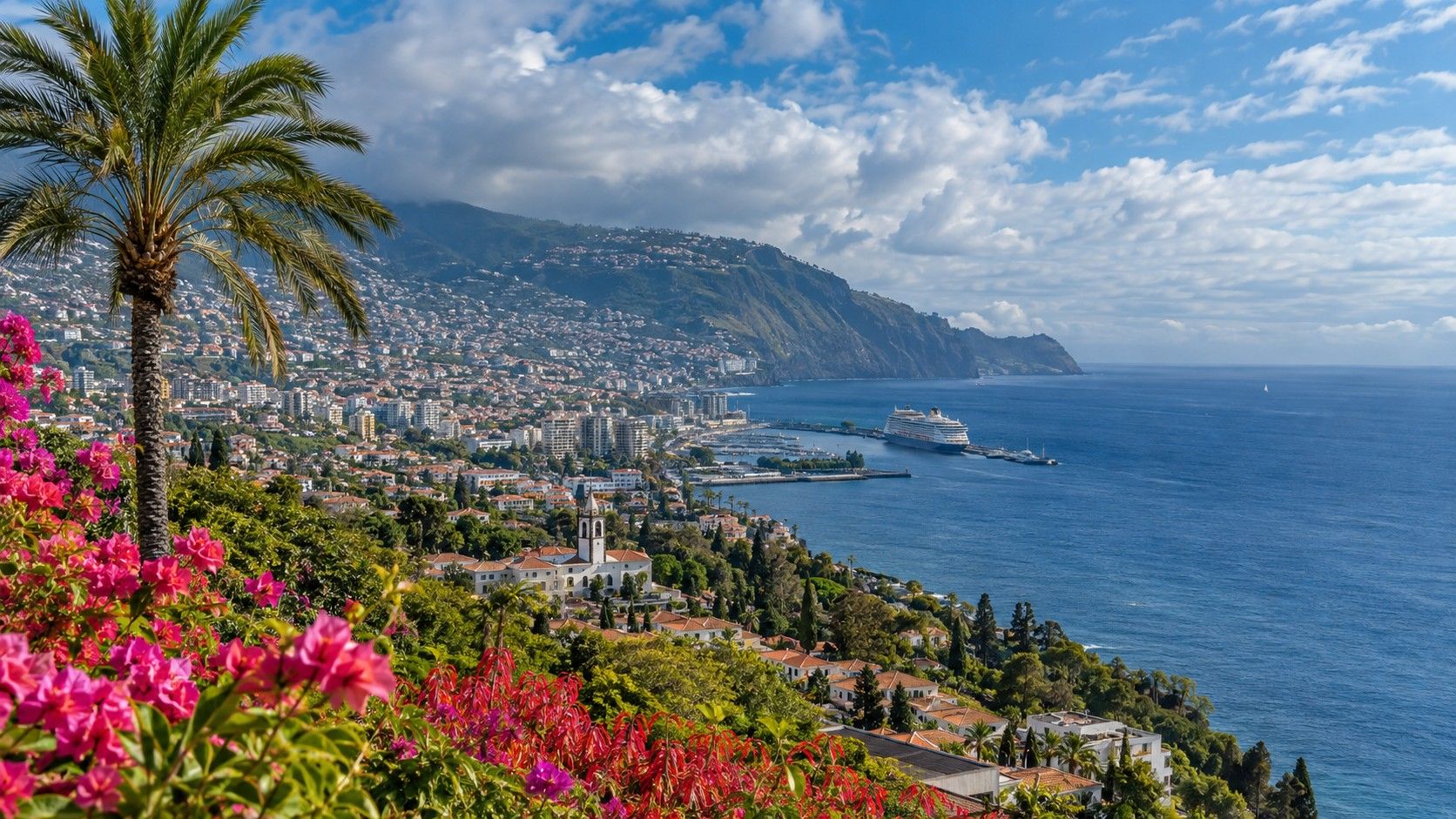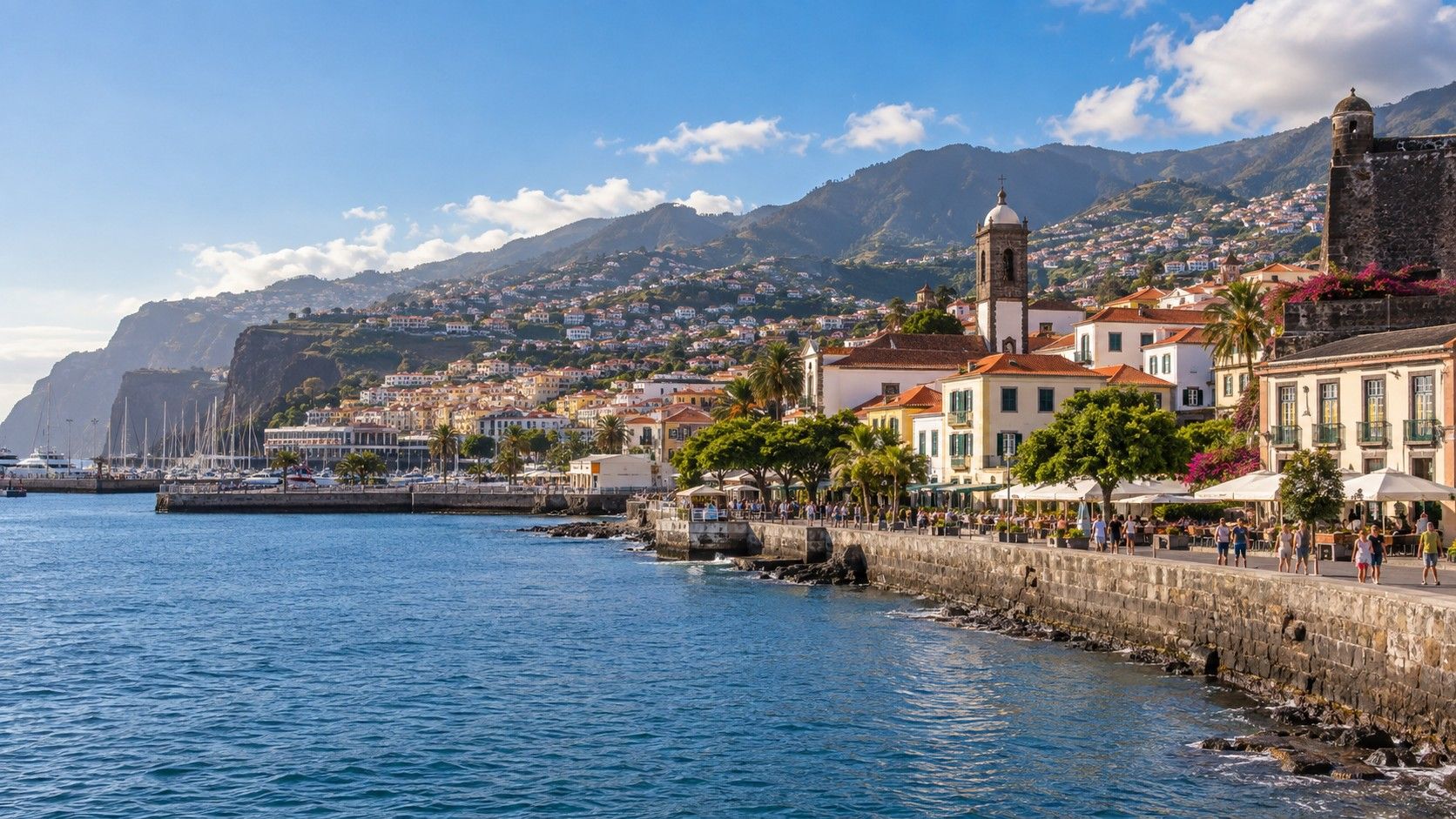
Madeira food is easier to enjoy when you stop trying to complete a checklist before the flight home. The island has famous dishes, but the useful question is what kind of meal you are walking into. An espetada dinner is built for a hungry table; black scabbardfish can be delicate one night and heavy with banana the next; bolo do caco is often gone before the main course appears. Menus may be in several languages, daily fish can change, and a serving can sound smaller than it is, so use the familiar names as a way into the menu, then order according to the hour, the town and the appetite in front of you. Ask one plain question before ordering, share when sharing makes sense, and leave room for the dish you actually came to try. The best meals on the island tend to feel unhurried rather than triumphant.
Start with dishes, not a tourist-food scavenger hunt
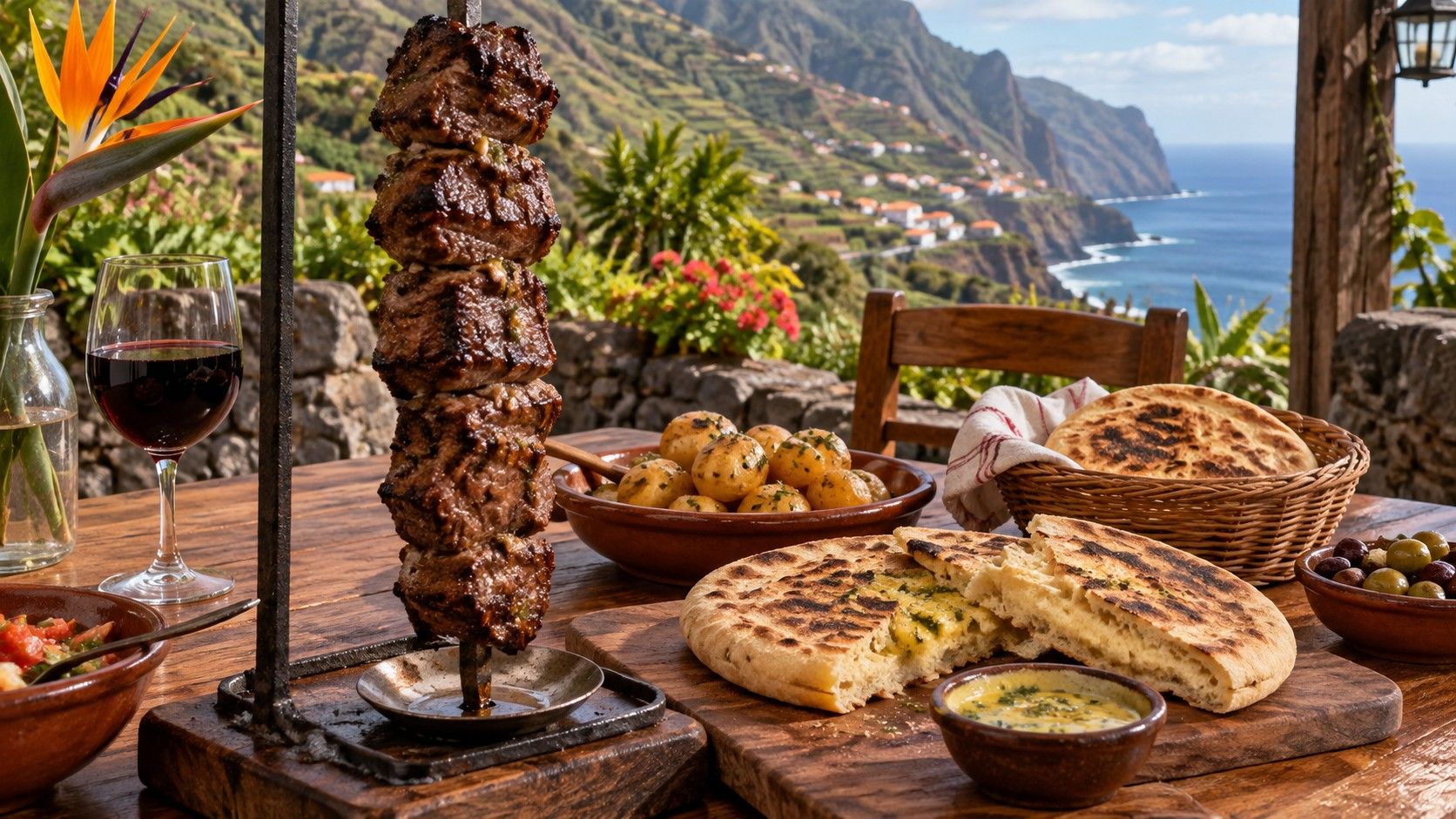
A sensible first dinner is simple: bread on the table, one local main dish, vegetables or potatoes, and something to drink that suits a slow evening. Bolo do caco, the round flat bread often served warm with garlic butter, is a good opener because it tells you immediately whether you are about to over-order. It is easy to keep eating while studying the menu, then discover that the main course has arrived on a very large plate.
Madeiran cooking does not need a dramatic explanation to be appealing. You will see grilled meat, fish, soups, sandwiches, limpets, passion-fruit desserts and fruit drinks alongside familiar Portuguese staples. A restaurant near the harbour may lean toward fish; a roadside place in the hills may be more comfortable with meat and hearty sides. The better question is whether the menu fits the time you have and whether the room looks busy with people actually eating rather than only studying the view.
For lunch, choose one thing and keep the plan light. A prego sandwich in bolo do caco can be enough after steep streets or a levada walk. A full meat meal at midday can be lovely, but it changes the rest of a driving day. Madeira roads ask for concentration, and a long lunch followed by mountain bends is not everyone’s ideal combination.
Let the town and the day shape the choice
Funchal offers the widest range of menus, from quick counters to formal dining rooms, so it is the easiest place to try a dish without making a whole outing of it. Around the centre, a menu with every Madeiran classic and a long photo gallery can be convenient, but it is worth reading beyond the headline items. Look at how the fish is described, whether side dishes are included, and whether the specials are explained with any confidence.
Câmara de Lobos has a different rhythm. It is closely associated with poncha and a working-harbour atmosphere, which can make an afternoon stop feel more social than a carefully planned dinner. Have a small plate first, see how the place is operating, and decide whether you want a proper meal there or simply a drink and a walk by the water. A lively place is not always the right place for a long, quiet supper.
Outside Funchal, timing matters as much as location. After a west-coast drive, you may reach a village when kitchens are between services or when the one room you liked is filling with people who booked ahead. Calling or asking your accommodation to check opening hours is more useful than relying on a map listing. A closed kitchen is a poor reward for an otherwise perfect route.
| Situation | Order that usually fits | Question worth asking |
|---|---|---|
| Quick lunch | Bolo do caco sandwich or soup | Is this enough for one person? |
| Evening for two | One main each, share bread or a starter | Which sides come with it? |
| Group meat dinner | Espectada and shared sides | How is the portion sized? |
Order espetada with a plan for the table
Espetada is the Madeiran dish most likely to arrive with ceremony. Chunks of beef are grilled on a skewer, often suspended from a hook at the table, with the serving arranged around it. It looks theatrical because it is practical: the meat stays accessible and the table gets involved. What it is not is a small individual tasting course. Before choosing it, ask how the restaurant handles portions and sides. The answer can be more useful than the price line alone.
For two people, a shared espetada can work well when there are bread, vegetables, chips or milho frito on the table as well. For one person, it can be satisfying but substantial, especially after starters. Do not assume every restaurant uses the same cut, marinade or portion. A polite question about the size prevents the slightly absurd moment when a table already full of garlic bread watches another meal descend from a hook.
The pleasure of espetada is its simplicity: grilled meat, salt, garlic, bay leaf in many versions, and good side dishes. It does not need to be chased at every meal. If you have one version you enjoy, move on to fish or a lighter lunch the next day. That leaves the dish as a memory of a particular evening instead of turning it into a duty.
Fish and limpets reward a little context
Fish is where a menu rewards a moment of attention. Espada, black scabbardfish, is a local favourite with white flesh and a mild flavour. It is often served with banana, a pairing that can sound strange on paper but works when the plate is not overloaded with sweetness. If you are curious but uncertain, ask how the kitchen serves it that day instead of ordering from a translation alone.
Lapas, or limpets, are another classic coastal order, commonly grilled and served with garlic, lemon and butter. They make more sense as a shared starter or a relaxed snack than as the centrepiece of a hungry hiker’s dinner. They are salty, rich and best eaten hot, so order them when the table is settled rather than when someone is waiting to leave for a pickup.
There is no need to treat a fish counter as a test of bravery. The useful signals are ordinary: what is being served now, how it is cooked, whether it comes with a side, and whether the portion has bones to negotiate. Asking those questions is not fussy; it is the difference between a memorable plate and discovering halfway through that you wanted something quicker before a long drive.
Use bread, snacks and sweets to bridge the day
Bolo do caco appears in two roles. At dinner it may arrive as warm bread with garlic butter, dangerous in the best way when everyone is hungry. During the day it can become the bread for a prego, usually a steak sandwich, or another simple filling. That makes it practical travel food, not merely a souvenir dish. Pick one up when you have a long afternoon ahead, but remember that it is more filling than it looks.
Fruit is another quiet strength of the island. Passion fruit appears in drinks, desserts and sauces, while bananas show up both as fruit and beside savoury fish. Try a local juice or a passion-fruit pudding if it appeals, and skip the elaborate dessert if dinner has already done its work. Sometimes coffee and a short walk through Funchal are the better finish.
Poncha and Madeira wine belong to the pace of the evening
Poncha is part of the island’s social vocabulary: a mixed drink traditionally associated with sugar-cane spirit, citrus and honey, with plenty of local variations. It is easy to see it presented as a harmless holiday ritual. It is not harmless merely because it comes in a small glass. The sensible way to try it is with food, water and nowhere urgent to drive afterward. One good poncha can be a pleasant stop; several can make a mountain road, a bus timetable or the hotel stairs far less charming.
Madeira wine offers a different kind of tasting experience, from dry styles to sweeter, concentrated ones. Ask for a small pour or a recommendation based on what you normally enjoy rather than assuming it will drink like a table wine. If you are buying a bottle to take home, check luggage allowance and opening hours before making it part of the final-day plan.
Read the menu for portions, price and the shape of the evening
When reading a Madeira menu, first separate what sounds like a starter from what can feed a person or two. Bread, olives, cheese and small seafood plates can arrive quickly and add up before the main course. There is nothing wrong with that if it is deliberate. If you want a simple dinner, say so early and choose one starter to share.
Ask whether sides are included and whether the listed price is for one serving or a weight-based fish dish. This is particularly helpful with grilled fish, shared meat and daily specials. Menus do not always make the serving logic obvious to a visitor, and the question is easier before the order than after a plate arrives.
Reservations are most useful when you have a specific evening in mind: a weekend dinner, a group, a restaurant with few tables, or a meal after a popular excursion returns. On an ordinary weekday, flexibility may be more valuable. Keep one or two nearby options in mind, especially if your day ends late after the west coast or the mountains. Start with the dish you genuinely want, ask about the portion, leave room for one small surprise, and let the evening take the time it needs.