A Madeira car rental can turn a modest island itinerary into a very flexible one, but it also asks something of the driver. The map makes Porto Moniz, Santana and Ponta de Sao Lourenco look comfortably close. Then the road begins to climb above Camara de Lobos, a bus fills the lane ahead, and the sat-nav proposes a shortcut through a village street barely wider than the mirrors. I would rent a car for a trip built around walks, viewpoints and several bases; for a Funchal city break with one organised excursion, I would keep the keys out of the equation.
When a rental car earns its place in the plan
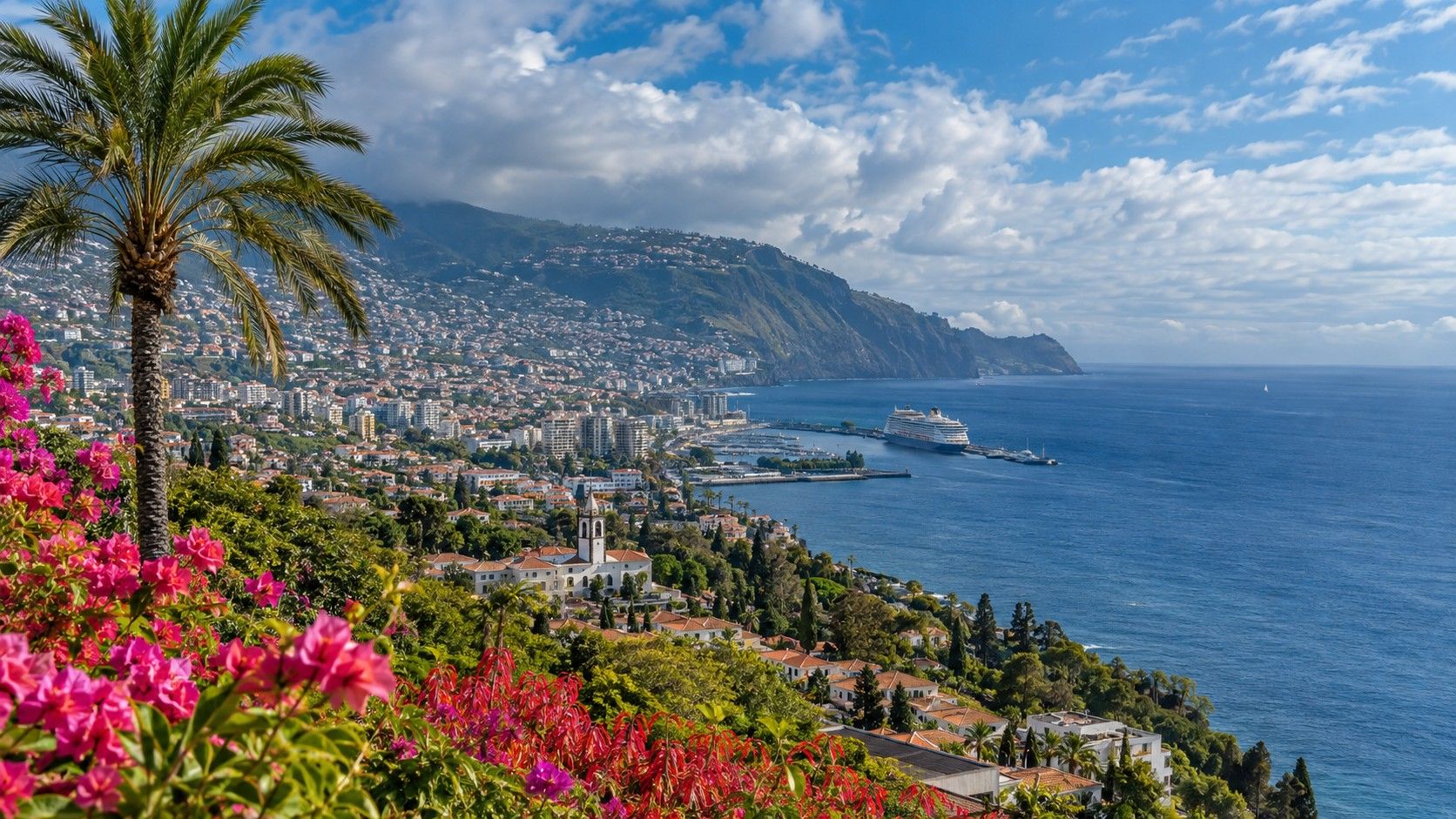
The useful question is not whether Madeira is driveable. It is whether the car solves more problems than it creates on your particular trip. If you are sleeping in Funchal for three nights, taking a levada transfer, and spending the rest of the time around the old town and lido, the car may sit in a paid garage while you pay for it twice. Funchal has buses, taxis and tours for the popular routes, and the central hills are a poor place to learn how you feel about a sharp uphill start.
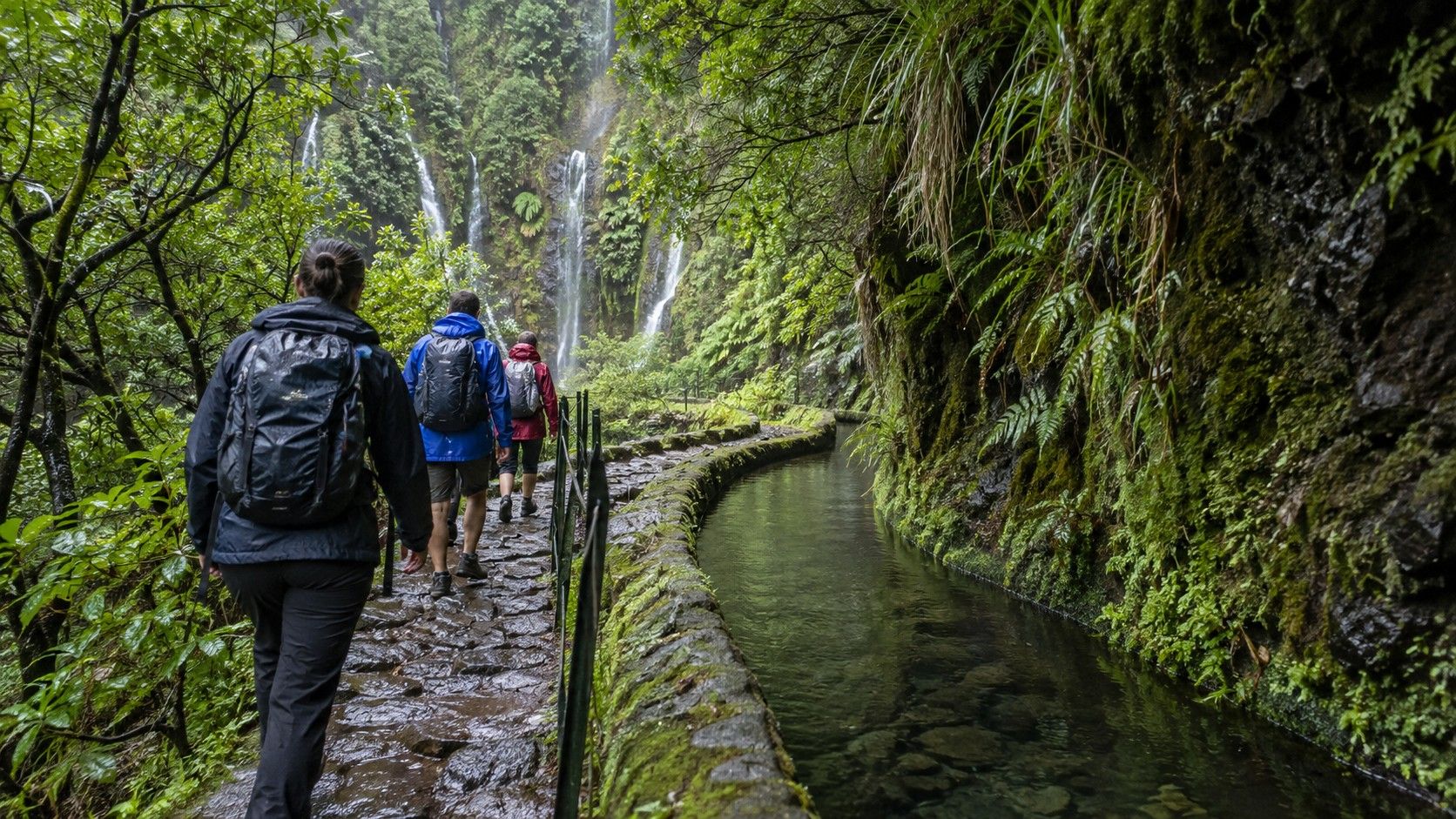
It starts to make sense when the schedule has awkward gaps. A morning walk at Rabaçal, a late lunch in Calheta, then a return to a guesthouse in Ponta do Sol is much easier with your own transport. The same applies to a sunrise at Pico do Arieiro followed by a change of weather: you can leave when the cloud settles in rather than wait for a group itinerary to catch up. A car is also handy for a one-way hiking day if you are willing to pay for a taxi back to where you left it. The island is compact in kilometres and surprisingly slow in minutes.
I would be cautious with a car on a first visit if every overnight is in Funchal and nobody in the group enjoys driving on mountain roads. Build two or three days around the western coast, Santana or a rural stay, and the calculation changes. The freedom is real, though it comes with parking searches and roads that demand attention long after the novelty has worn off.
Choose a small car with enough pull for the hills
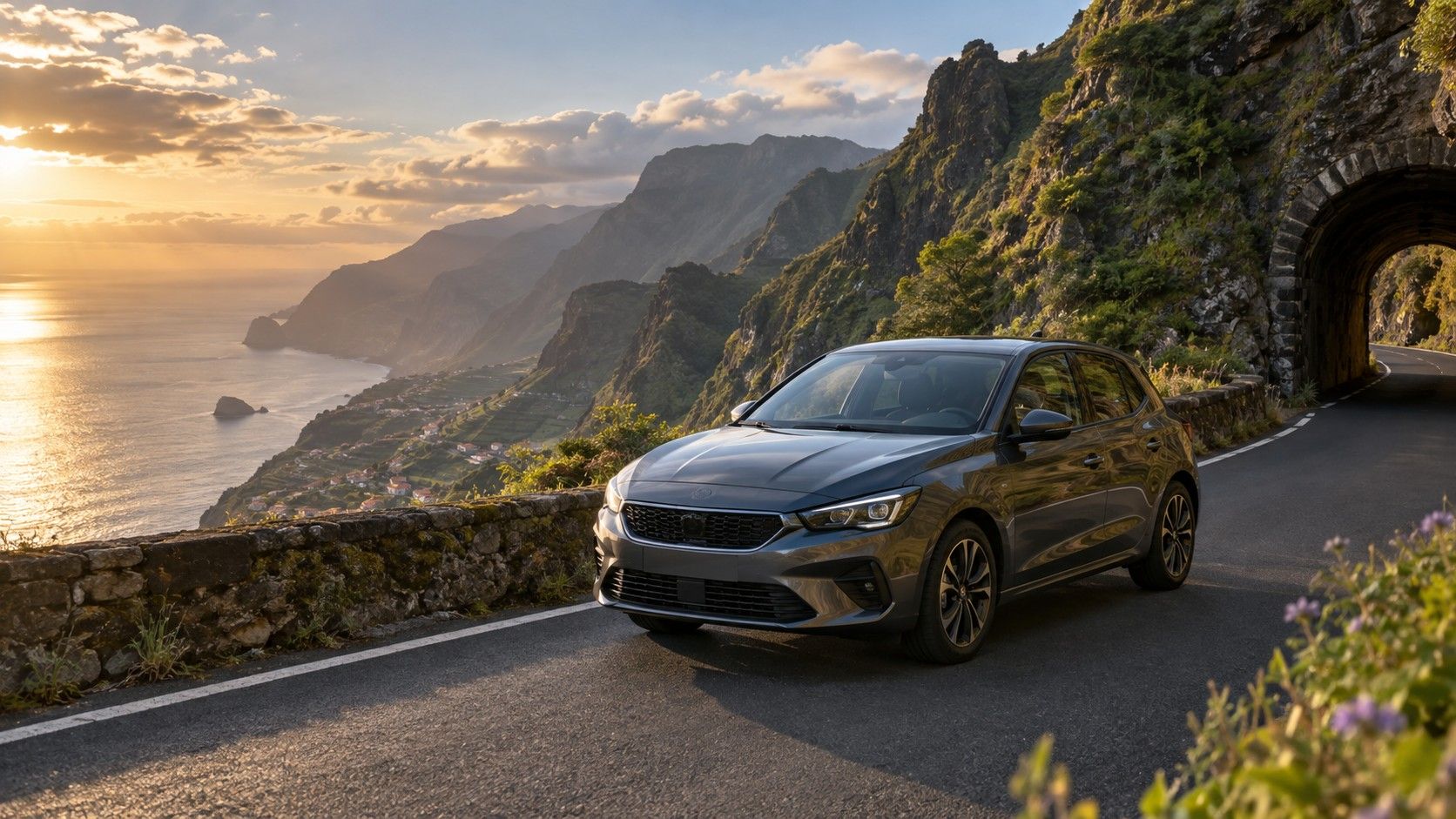
For driving in Madeira, small does not mean underpowered. It means a car that can fit into a hotel entrance in Sao Vicente, pass a delivery van in a village lane and slip into a Funchal garage bay without a long audience forming behind you. A compact hatchback is usually the sensible middle ground for two people with ordinary luggage. The very cheapest category can work, but check the engine and transmission rather than trusting the category photo. A weak engine with four adults and suitcases has a hard afternoon ahead on the climb from Machico to the plateau.
Automatic cars remove one source of stress on steep starts, especially around Monte and the older roads above Ribeira Brava. They also tend to disappear first in busy weeks and cost more. A manual is fine for a confident driver, but I would not choose Madeira as the place to refresh rusty hill-start skills. On a narrow road, there may be no generous flat patch to regroup. There may be a stone wall on one side and a local driver waiting politely, which somehow feels worse.
| Trip setup | Car choice that usually fits | Practical caution |
|---|---|---|
| Two people, mixed coast and hikes | Compact hatchback, manual or automatic | Confirm luggage space if you have large hard cases. |
| Four adults with full luggage | Small SUV or roomy compact | Extra width is noticeable in old villages and garage ramps. |
| Funchal stay with one day out | No car, or a short rental | Daily parking can cancel out the apparent rental bargain. |
| First time on steep roads | Compact automatic | Book early and avoid a low-powered economy model. |
Do not select a large vehicle because the roads sound dramatic. Most main ER roads and mountain tunnels are straightforward, and the problem is often the final 500 metres to a miradouro, cottage or restaurant. A larger car gives a little more cabin comfort but adds work at every pinch point. I have found the short wheelbase and decent visibility more valuable than an impressive boot.
Collecting the car at Madeira Airport without starting tired
Madeira Airport is a convenient pickup point because you can leave the Funchal traffic until you have had a night to settle in, or drive directly east or west without arranging a transfer. The less pleasant version is arriving late, queuing at the desk, reading the insurance terms when your brain has become airport soup, and then discovering that the cardholder on the booking is not the person holding the right credit card. Put the lead driver's name, licence details and payment card in order before travelling. Rental desks can be strict about this because the deposit is attached to a real financial risk.
At the counter, ask where the car is parked, what fuel level is expected on return, and how roadside assistance works on the island. A quick walk around the car matters more here than it does in a flat resort town. Photograph wheel rims, lower doors, bumpers and the windscreen in good light. Scrapes happen in parking spaces and on stone-edged lanes; an old mark that never entered the handover record can become an awkward conversation a week later. If the clerk is busy, take your own time. The queue behind you will survive.
Insurance deserves plain reading rather than a ritual nod. Check the excess, what counts as tyre or glass damage, and whether the policy excludes damage to the underside. Do not assume every unsigned lane is a forbidden road, but do not treat a rental car as a hireable off-road toy either. Madeira's ordinary routes reach nearly everywhere a visitor needs. If a navigation app sends you down an improbably steep concrete track, stopping and turning around is often the most experienced thing to do.
Parking in Funchal and the smaller towns changes the daily rhythm
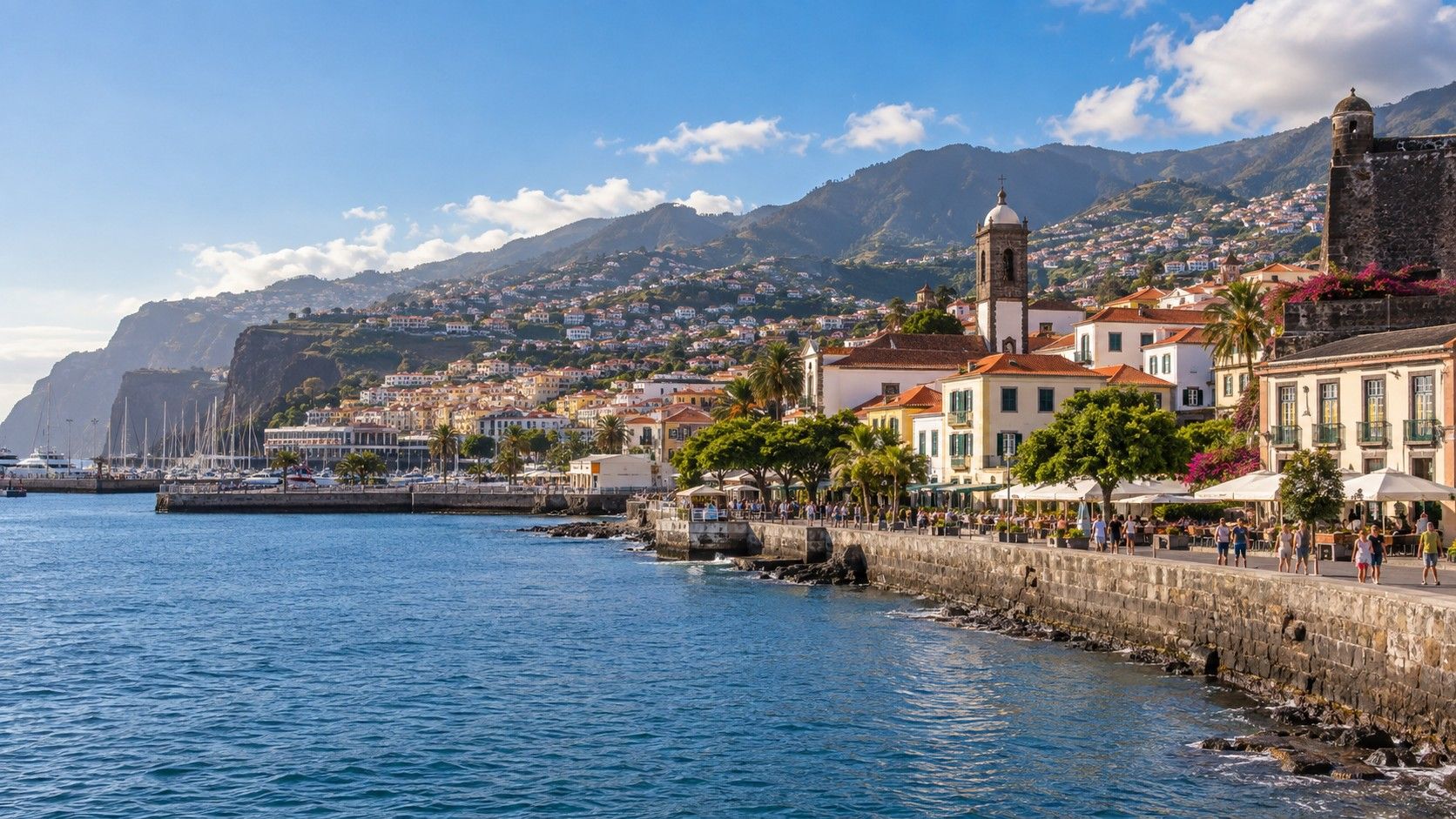
Parking is where a cheap Madeira car rental can become less cheap. In Funchal, choose accommodation with a confirmed space if the car will stay overnight. Nearby parking can mean a public garage several steep blocks away, which is manageable until you arrive with wet hiking boots and a suitcase. The old town, marina area and streets near the cable car have plenty of movement and limited patience for hesitant manoeuvres. A paid garage is often the calm option, particularly when you want to walk back from dinner without checking the time.
Outside Funchal, the problem changes. Porto Moniz has busy waterfront areas around the natural pools; arrive late on a sunny day and you may park well above the coast. In Santana, spaces around the traditional houses and restaurants can fill around tour-bus hours, then empty out again. At popular trailheads such as Rabaçal or Pico Ruivo access points, the car park is part of the timing decision. An early start gives cooler air and a more civilised chance of a space. Midday can mean parking farther away and beginning the walk already annoyed.
Read signs even where the street looks casual. Blue markings, ticket machines, reserved bays and garage barriers vary by town. Keep a payment card and a few coins accessible rather than buried with the luggage. More importantly, leave the car only where you can pull out without reversing into blind traffic. On an island that rewards stopping for views, the temptation to make an improvised roadside parking space is strong. It is also how a relaxed day acquires a horn concert.
Road habits that make the island feel manageable
The newer expressways are the easy part. They connect much of the coast through long tunnels and make a westward day feel almost ordinary for a while. The shift comes when you leave them for an ER road, a signed viewpoint or an accommodation pin high above the sea. Gradients increase, bends tighten, and cloud can arrive with no ceremony. Plan fewer stops than the map suggests. A route that looks like an hour and twenty minutes may absorb a photo stop, slow traffic, a missed turn and ten minutes of searching for somewhere safe to park.
Use low gears on long descents rather than riding the brakes. Keep right on blind bends and expect a bus, a truck or a resident who knows every corner to appear from the other direction. If another driver reaches a narrow section first, wait at the wider patch instead of trying to negotiate a proud little standoff. Local drivers can move briskly, but they are usually reading roads they have used for years. Let them pass when there is room; trying to match their pace is pointless.
Weather changes the character of the drive. The south coast can be bright while fog settles around Paul da Serra or the road toward Pico do Arieiro. In rain, leaves and damp concrete make small lanes less forgiving, and a waterfall can spill across a road that looked completely harmless in the morning. Check the forecast by area, not only for Funchal, and give yourself permission to swap a high route for the coast. A car helps because the plan can bend; it does not make mountain weather negotiable.
Build the itinerary around rests, not maximum coverage
The least enjoyable rental days are usually the ones designed on a desktop: airport to Santana, then Ribeiro Frio, then a levada, then Seixal, then Porto Moniz before dinner. Each stop sounds reasonable on its own. Together they leave the driver watching the clock and everybody else asking whether there is time for one more viewpoint. Choose a direction and give it a proper day. From Funchal, the east can hold Machico, Ponta de Sao Lourenco and a quieter meal without forcing a night drive. The west can hold Calheta, Seixal and Porto Moniz, but it benefits from an early start or an overnight nearby.
On a week-long trip, I prefer a day with the car parked at the hotel. Walk in Funchal, take the cable car to Monte, or book a transfer for a point-to-point hike. This is not lost value from the rental. It is a reset for the person who has been negotiating gradients and unfamiliar roundabouts. A second base in the north or west can reduce the temptation to race back across the island every evening, and it makes early walks less theatrical.
Rent a car Madeira style when it gives you room to change the day, not when it turns every hour into a driving target. Book the size you can place confidently, understand the excess before taking the key, and leave time for parking at the places everyone else wants to see. The roads are memorable for the right reasons once you stop treating them as a background detail.